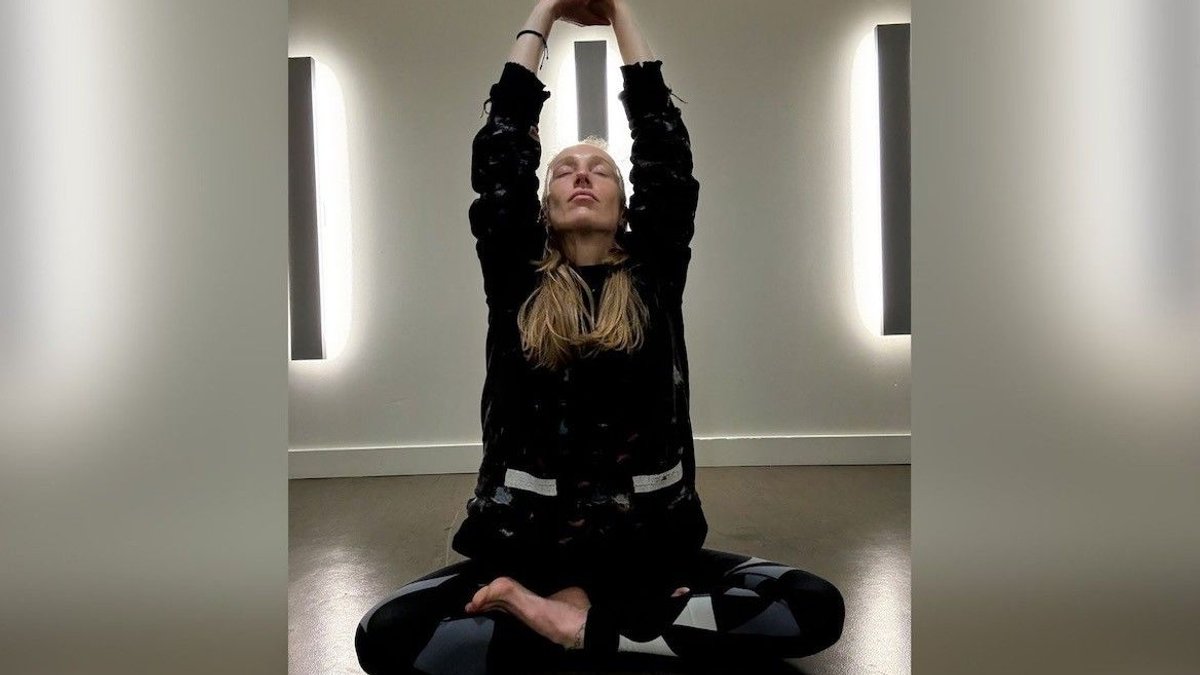
Stress has become a daily companion for many, especially as smartphones keep us tethered to a nonstop stream of notifications, social feeds, and work alerts.
Modern pressures keep nerves on edge
Researchers note that constant digital interruptions can push the nervous system into a persistent fight-or-flight mode. Hormone spikes follow, sleep suffers, and concentration wanes. The result is a form of nervous system dysregulation that many describe as “always-on.” Some days are more stressful than others, but when the brain remains hyper-stimulated by worry and stress—like that of the writer’s father—it struggles to find moments of calm.
A strong caffeine habit, with its morning hit and afternoon kick, exacerbates this pattern, making the idea of shutting off the brain feel nearly impossible. The modern lifestyle we’ve created, with its whiplash from Instagram reels to texts, reminder pings, and even old-fashioned phone calls, keeps us perpetually plugged in, whether we want to be or not.
The writer admits a personal pattern of hyper-stimulated worry, amplified by a strong caffeine habit: “My caffeine habit could be a factor here as well, but where would I be without that morning hit and afternoon kick?”
Science backs mindfulness
A 2024 study in Biomedicines reviewed neurobiological data on mindfulness and meditation. The authors reported structural brain changes, better emotional regulation, lowered anxiety, and stronger stress resilience among participants. Those findings line up with the writer’s search for a practical way to calm the mind. Neuroscientists in Italy have also examined how mindfulness practices can improve emotional regulation and even alter brain structure, reducing anxiety and enhancing resilience—a direct response to the demands of modern life. For those who cannot escape to a remote retreat, the paper suggests that short, guided practices can still engage the same neural pathways that support mental balance, offering a low-cost alternative to traditional therapy.
For those who cannot escape to a remote retreat, the paper suggests that short, guided practices can still engage the same pathways that support mental balance.
Guided session offers a personal route
In Vancouver, the writer tried a virtual meditation led by Sarah Vetter, founder of Evergy Studio. Vetter’s background includes managing a tourism company for seven years, during which she gained firsthand insight into human behavior, and deep study of psychology, neuroscience, cognitive-behavioral therapy, and energy work.
She describes her method as “It’s what I’d call a unique approach to rewiring your thought patterns with self-affirming confidence, so you can anticipate and act differently to stress.” Her journey from severe clinical depression during her second year of university, when she had to leave school due to its debilitating effects, to founding Evergy reflects her transformation from someone who lacked the tools to process emotions to an entrepreneur dedicated to helping others find clarity and strength.
During the session, the writer lay down, listened to music, followed breathing cues, and let Vetter’s voice prompt reflection on anxiety triggers. A memory of picking up her autistic son from day camp surfaced, followed by a vivid recollection of a Grade 6 public-speaking competition. The writer recalled a specific detail from childhood, a visit to the home of the smartest boy in class, where his mother offered Wagon Wheels marshmallow chocolate-covered cookies as a snack, highlighting how sensory memories often resurface when revisiting past anxieties.
The session then introduced a mental image of an older, confident self sitting beside the younger self in the auditorium. The writer imagined what this future self might say to the anxious child, envisioning words of reassurance along the lines of: “There’s nothing to worry about. You can do this. It’s a great speech.”
Vetter explains that the goal is not to erase memories but to alter the emotional and physical sensations attached to them. By revisiting a stressful event while in a safe, relaxed state, the brain can update the associated feelings without changing the factual details.
Rewriting emotional memory
According to Vetter, many subconscious beliefs form in childhood as the brain learns to interpret experience. Those beliefs can steer thoughts, emotions, and behaviors well into adulthood. She calls the process “memory reconsolidation,” where reactivated emotional memories become temporarily open to revision. The body stores and communicates emotional patterns through physical sensations, which Vetter helps clients use as a pathway to identify underlying beliefs. During the session, the writer also visualized their personal energy, described as yellow and orange, a concept tied to adopting one’s authentic self and its natural rhythm, as per Vetter’s methodology.
When a memory is reactivated in a calm setting, the linked physiological responses can be reshaped. The body’s sensations become clues that point to underlying beliefs, which can then be examined and adjusted.
In a follow-up note, Vetter highlighted that the writer’s younger self once feared speaking publicly, yet the adult career now revolves around listening to and sharing stories. “One of the most meaningful parts of this memory was that your younger self feared standing in front of others to share a story. Today, you have built a career around listening to, telling and sharing other people’s stories. What once felt unsafe has become one of your greatest strengths,” she wrote.
It’s worth noting that such techniques echo a broader cultural shift toward self-regulated health. As more people encounter chronic stress, low-cost digital tools and brief guided practices are filling the gap left by limited access to traditional therapy.
While the writer has not yet adopted a daily meditation routine, a personalized ten-minute practice feels calming and is used whenever possible. The writer describes the experience as a blend of introspection and gentle self-coaching.




Leave a Reply