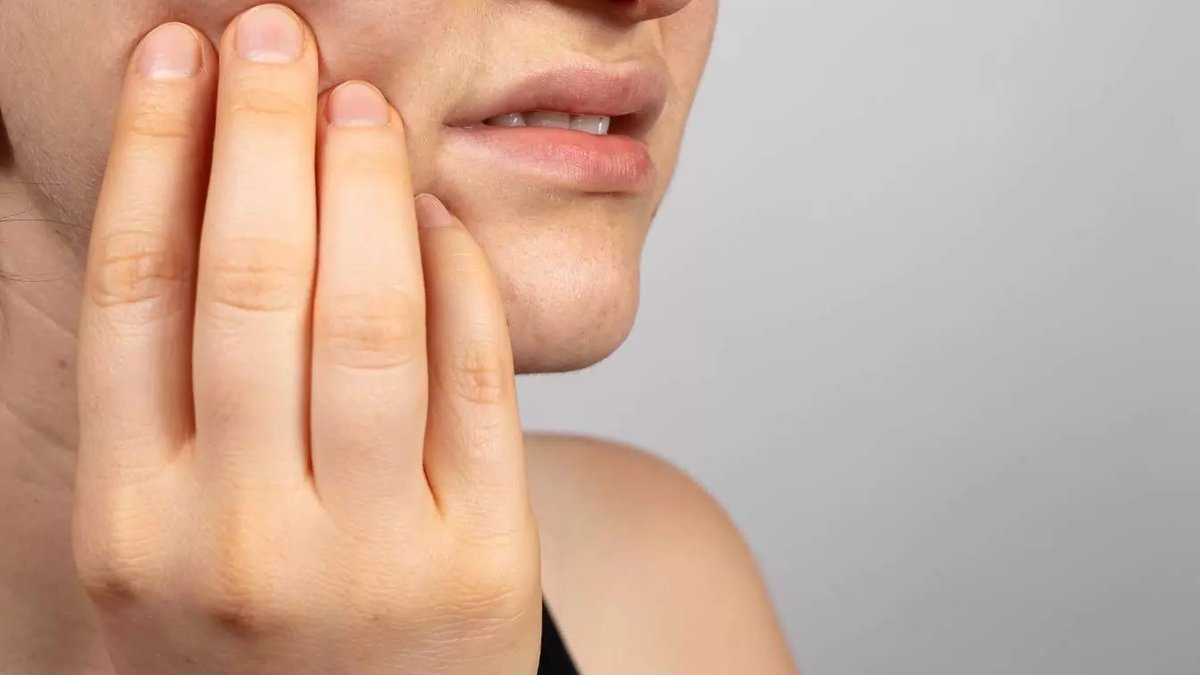
Research appearing in the Journal of Dentistry indicates that both patients and clinicians regularly downplay the consequences of dentine hypersensitivity (DH). The condition affects an estimated 33.5% of people worldwide and is characterized by brief, sharp pain when dentine is exposed. Factors such as consumption of acidic drinks, cosmetic bleaching, and extended retention of natural teeth may be contributing to its rising prevalence.
Although treatment guidelines based on evidence exist, DH frequently remains undetected and insufficiently managed. Qualitative studies reveal that individuals often consider the symptoms normal and delay professional help, yet the disorder can markedly affect diet, social interaction, psychological health, and overall oral-health-related quality of life. This Australian investigation examined adult experiences, perceptions, and management strategies for DH in order to pinpoint determinants of self-care, help-seeking behavior, and unmet needs.
Methodology and Key Findings
One qualified oral-health researcher carried out separate semi-structured interviews through Zoom with eighteen Australian adults, ranging from 26 to 67 years old, all of whom had a clinical diagnosis of DH. The interview data were processed using Thematic Framework Analysis. Independent double coding of a 22% subset produced a Cohen’s κ of 0.83. Analysis yielded six overarching themes: sensations of DH, changes in diet, emotional responses, self-care approaches, financial impact, and interactions with dental services.
Although nine participants reported that DH did not affect their daily routine, seventeen described having altered their eating habits or behaviours. This contrast implies that many had gradually become accustomed to long-standing restrictions and no longer recognized them as constraints. 89% of participants self-initiated the use of desensitizing toothpaste; three independently discovered evidence-based leave-on applications without clinical education; and no participant underwent proactive DH screening.
Due to cost-driven extractions, a curable problem was transformed into irreparable tooth loss due to financial constraints.
Overall, DH is more than just a surface-level issue. For the first time in the Australian setting, a complex terrain of food limitations, social adjustments, emotional vigilance, financial obligations, and therapeutic neglect is revealed underneath its seemingly small clinical appearance. Patients who have changed their behavior and doctors who do not check for it consistently underestimate this burden, which is made worse by a dental funding system that prevents people who require expert care from receiving it.





Leave a Reply