Multiple myeloma is spreading more rapidly in the Middle East than in any other region. Over the past three decades, case numbers have risen steadily, while patients confront a harsh reality: they receive diagnoses at younger ages, in more severe stages, and with limited treatment choices compared to those in Western countries.
The median age at diagnosis in the Gulf ranges from 43 to 58 years, far below the global average of 66 to 70 years. Studies in Qatar and the UAE reveal that most patients are identified at Stage III, a late stage where treatment becomes significantly harder, whereas in Western nations many are detected at Stage II. The consequences are severe and immediate.
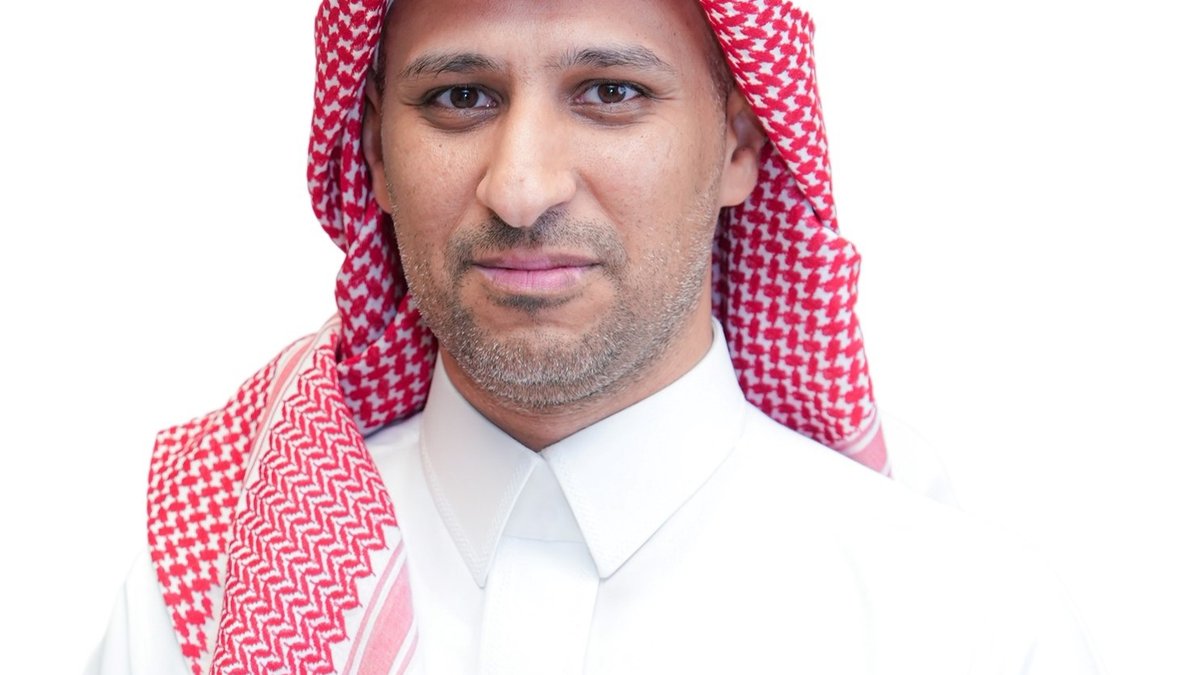
A hematologist treating patients in Saudi Arabia has observed cases where individuals in their thirties—young adults at the peak of their professional and family lives—arrive with advanced bone deterioration and kidney failure. These cases are not rare exceptions; they are a recurring pattern. “I have cared for Saudi patients in their thirties, young adults at the peak of their professional and family lives, who arrived already with advanced bone disease and renal involvement,” the doctor said. “They are typically the primary breadwinner, often with young children, sometimes still building their career. And the impact on their lives is devastating.”
Bone Pain and Treatment Side Effects
The disease attacks plasma cells in the bone marrow, displacing healthy cells and producing defective antibodies that weaken bones, damage kidneys, and impair the immune system. Patients describe the bone pain as “deep and persistent,” unlike any sensation they have experienced. Minor movements can cause fractures, exhaustion resists sleep, and frequent infections disrupt daily functioning. Treatment, including chemotherapy, immunomodulators, steroids, and autologous stem cell transplants, introduces additional burdens: vision disturbances, gastrointestinal issues, mood fluctuations, and constant infection risks.
The emotional toll is equally heavy. A diagnosis in one’s forties forces difficult conversations. Some patients delay informing family members for months, fearing the distress it would cause. Others grieve over weddings or milestones they may not attend. Cultural stigma around cancer in the region also delays psychological support, forcing patients to face their illness in isolation.
Families share the burden. In the Middle East, illness is rarely endured alone, but support comes with its own difficulties. Patients from remote areas, such as Tabuk, Abha, or Hail in Saudi Arabia, or smaller Gulf cities, often travel hundreds of miles to access specialized care. Relocating near transplant centers in Riyadh or Jeddah means prolonged absences from home, children cared for by relatives, and the stress of unfamiliar surroundings. “These cases are not rare exceptions for us; they are a recurring pattern,” the hematologist said. “These are not footnotes to the medical story; they are central to it.”
Closing the Treatment Access Gap
The Saudi Myeloma Working Group, which includes the hematologist, is driving these changes. Their objective is straightforward: no patient’s treatment access should depend on their location. Whether in Riyadh or a remote village in the Northern Borders, care standards must be equal.
For now, disparities remain. Patients are aware of emerging therapies like CAR T cell therapy and bispecific antibodies, which have shown effectiveness elsewhere. Yet in the Middle East, these options are often inaccessible. When a family understands that a new or emerging therapy has helped patients elsewhere but is not yet readily accessible to them locally, the distress is compounded by a sense of geographic injustice.




Leave a Reply