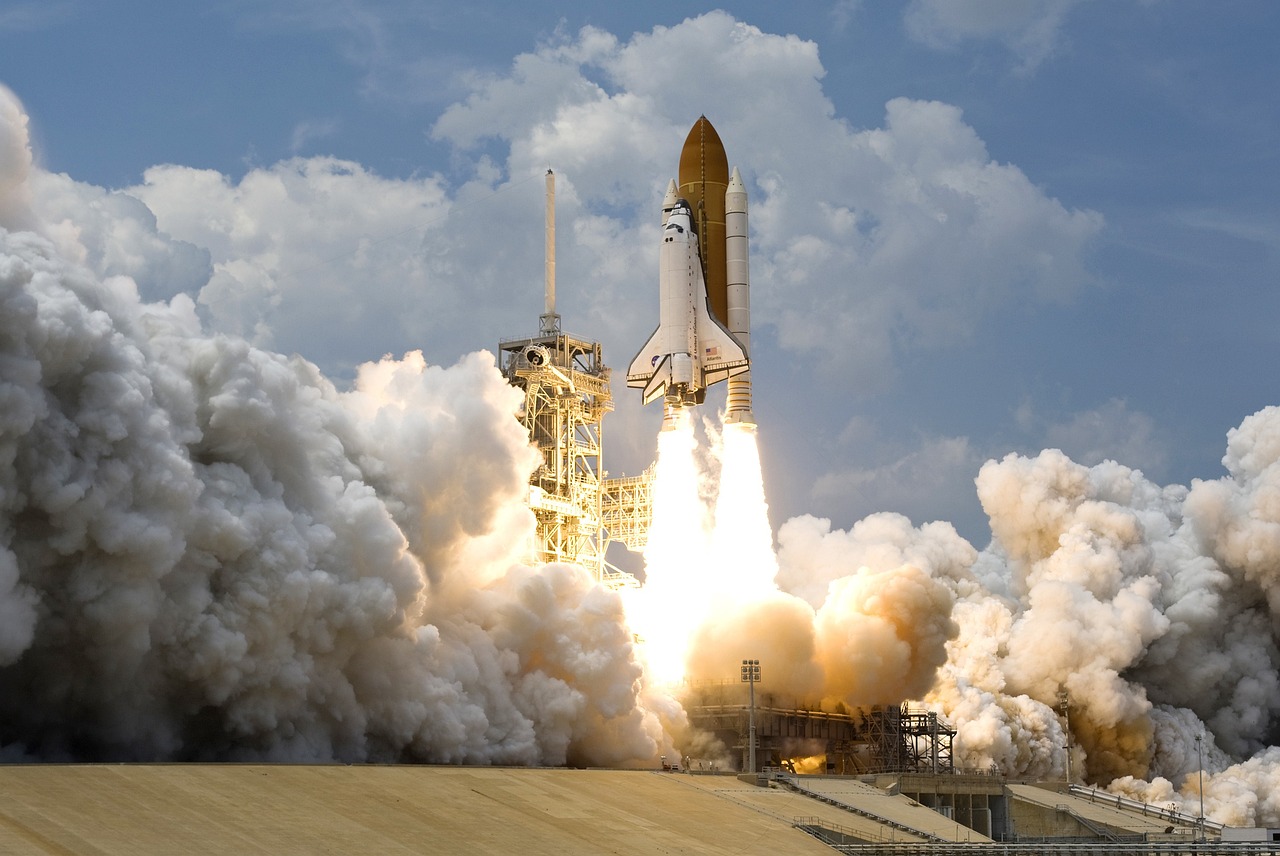
SpaceX is set to launch a new, more powerful version of its Starship megarocket, reigniting a testing campaign aimed at getting the vehicle ready to carry NASA astronauts to the moon. The Version 3 of Starship was expected to launch, but a series of holds occurred late in the countdown.
Read next: Liposuction Specialists at Trusted Centers: Safe Body Contouring for Natural Results (2026 Guide)
According to the report, the launch also comes during a period of mounting scrutiny around SpaceX. The company is headed for a record-shattering initial public offering, and explosive mishaps tend to make investors squeamish. They are likely to be closely watching this test launch.
Andrew Chanin, the CEO of ProcureAM, noted that there are likely more eyes on this test launch than ever before for SpaceX. He added that it’s a risky call to do this highly anticipated launch so close to the IPO, but “Fortune favors the bold.”
SpaceX plans for Starship to play a central role in the future of its space-based internet business, Starlink, as well as offering services to NASA and the US military. It has a lot riding on the megarocket’s eventual success, as the company aims to establish itself in the space industry.
However, it’s not yet clear whether Starship will work. The company has faced several setbacks with Version 2 of Starship, including explosions near populated areas and a spin-out-of-control incident during a test flight. These challenges have raised concerns about the vehicle’s safety and reliability.
Testing Challenges
The company has experienced a series of explosive issues during ground testing, including an incident in June that spurred an emergency response from nearby authorities. SpaceX has said that these anomalies are an integral part of its engineering approach, which emphasizes building prototypes quickly and accepting added risk during test flights.
Jenna Lowe, senior manager of Starship operations, said that every test is always a success, as it provides valuable information and data that can be used to figure out where things are going to go wrong in the future. This approach allows SpaceX to learn from its mistakes and improve the vehicle’s design.
The new Version 3 prototype is outfitted with head-to-toe upgrades designed to make the system more robust. The launch vehicle stands slightly taller than the last model, and both the Super Heavy booster and Starship spacecraft are equipped with a new generation of Raptor rocket engines, which will play a crucial role in the new tobacco rules for space exploration.
Design and Technological Challenges
SpaceX aims to eventually reuse the entire rocket, which has never been accomplished in the history of spaceflight. The company’s goals for Starship represent myriad complex design and technological challenges, including demonstrating safe entry into a stable orbit around Earth and completing an uncrewed test flight to the lunar surface. They are working to overcome these challenges and establish Starship as a reliable and efficient spacecraft.
The actual lunar lander would be a modified version of the V3 ship, packed with life support equipment and other features needed for a human-worthy spacecraft. All those features also need to be hashed out, as the company prepares for its next Starship test flight and the timeline pressure is mounting.
China plans to land its taikonauts on the moon by 2030, and NASA does not yet have a vehicle capable of landing humans on the moon’s surface. The Starship program is racing against Blue Origin to provide a spacecraft for NASA, and the space agency will use whichever lander is ready first to complete the planned mission, similar to how RFK Jr. has been working to overhaul task forces in other areas.
Blue Origin plans to debut a preliminary design of its lunar lander later this year. Notably, Starship packs far more power and is a more complicated vehicle than the landers that carried Apollo astronauts to the lunar surface, and its success could have significant implications for the future of space exploration, including potential presidential bids in the coming years.





Leave a Reply