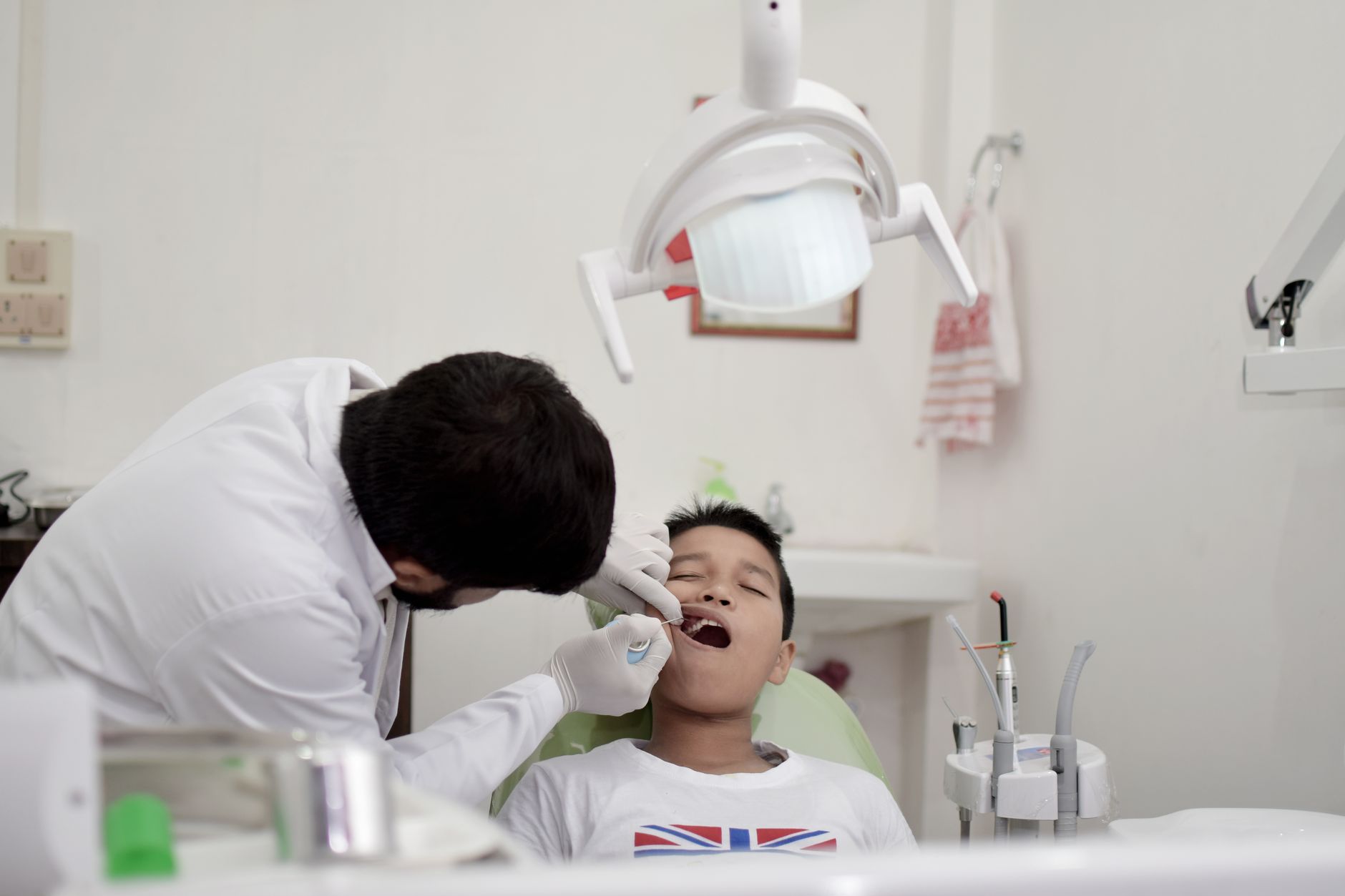
Parents often find themselves wondering about the ideal timing for a child’s first visit to a dental office. Some might wait until a child reaches school age, while others may seek professional guidance earlier if they notice changes in tooth development or have specific concerns about oral health habits. Determining the right approach requires considering how early childhood experiences can shape a lifetime of dental health and how to ensure these interactions remain positive and informative for the child.
Challenges in Introducing Dental Care to Young Children
One of the most common obstacles parents face is anxiety—both their own and their child’s. The dental environment contains unique sounds, unfamiliar equipment, and the need for a child to remain still in a chair, which can feel overwhelming to a toddler or preschooler. When a child arrives at an office for the first time only after a problem has already developed, such as a toothache or a sensitive area, the experience is inherently more stressful. The child associates the office with discomfort, which can create a cycle of hesitation that persists for years.
Many caregivers also struggle with the challenge of balancing home-care routines with a child’s developing autonomy. Teaching a young child to brush correctly or encouraging consistent flossing can be a daily struggle. A dental provider can offer strategies to make these moments less of a battle, but identifying a professional who understands how to build trust with younger patients is essential. Finding a pediatric dentist in Damascus and Frederick who prioritizes patience and clarity can turn a potentially difficult milestone into a routine, stress-free part of growing up.
How the Process of Pediatric Dental Care Typically Works
A typical, proactive visit for a child is fundamentally different from a treatment-focused appointment. The primary goal of an early visit is often familiarization. Rather than performing complex procedures, the provider focuses on creating a comfortable atmosphere where the child can explore the chair, meet the team, and get used to the sights and sounds of the office.
During these introductory sessions, the focus remains on education and prevention. The provider generally assesses the child’s oral development, checking for proper tooth eruption and identifying any potential crowding or alignment issues. For parents, this serves as an opportunity to ask questions about common concerns like thumb-sucking, pacifier use, or the impact of diet on dental health.
When treatment does become necessary, a professional who specializes in dental care for children in Damascus and Frederick uses specific techniques to ensure the child feels safe. This might include:
- Clear, age-appropriate explanations of what is happening using simple, non-threatening language.
- The use of show-and-tell methods where the child sees the equipment before it is used.
- Strategies to allow the child to take breaks if they become tired or restless.
The aim is to keep the child’s cooperation throughout the process, which often involves a mix of distraction and positive reinforcement.
Key Factors That Shape Long-Term Dental Health
The long-term health of a child’s teeth depends on several interconnected factors. While daily hygiene is the foundation, there are other variables that play a significant role in outcomes:
- Developmental Monitoring: A professional assessment can help track how teeth are coming in and whether jaw growth is progressing as expected. Early detection of potential issues often allows for more conservative approaches rather than intervention later on.
- Preventive Measures: Techniques such as applying sealants or providing fluoride treatments can provide an extra layer of protection for developing teeth. Discussing these options with a pediatric dentist in Damascus and Frederick helps parents understand which preventive tools might be appropriate for their child.
- Consistency of Care: Establishing a rhythm of regular check-ups helps a child view the dental office as a normal part of life. When children become accustomed to the routine, they are more likely to participate in their own care as they grow into teenagers and young adults.
- Dietary Guidance: The impact of sugars and acids on enamel is well-understood, but applying that knowledge to a child’s daily snack choices can be tricky. A provider can offer practical advice that fits into a family’s lifestyle without causing friction at mealtime.
Practical Ways to Approach Dental Health for Your Child
Approaching dental care well involves preparation. Before the first visit, talking to a child about the dentist in a neutral or positive way can help set the tone. Reading books about visiting the doctor or practicing the “open wide” game at home can make the child feel more prepared for what to expect.
When seeking the right dental care for children in Damascus and Frederick, prioritize communication. A good provider should be willing to explain their philosophy on managing child anxiety and how they handle different behavioral scenarios. Do not hesitate to ask questions about:
- How they help children who are particularly nervous.
- What they recommend for at-home hygiene routines based on the child’s specific developmental stage.
- How they coordinate care if a child eventually needs a specialist, such as an orthodontist.
Transparency is a hallmark of a high-quality office. If a provider takes the time to listen to your concerns and explains their reasoning for every recommendation, it is typically a positive sign that they are focused on building a long-term partnership with your family.
Establishing a relationship with a professional who is experienced in pediatric needs allows for a gradual, supportive journey through the various stages of childhood development. By focusing on building trust and maintaining consistent, preventive habits, parents can provide their children with the foundation for a lifetime of healthy, confident smiles. Consider scheduling an initial consultation to learn more about the environment and approach that best suits your child’s personality and needs.





Leave a Reply