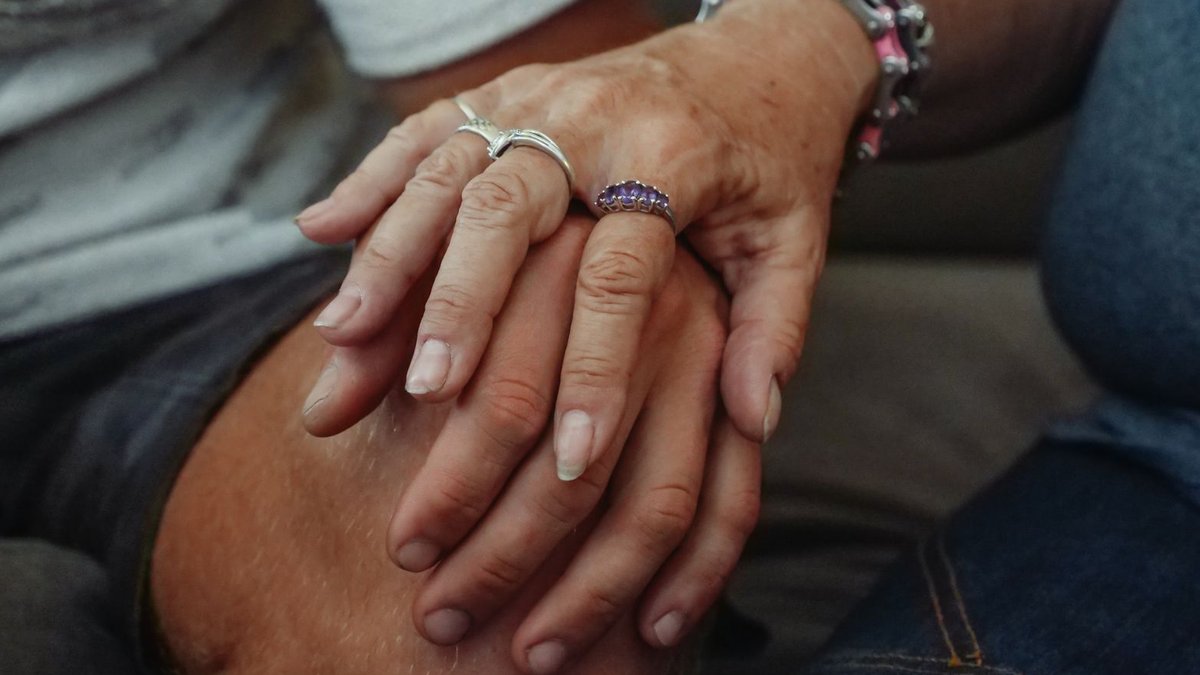
For people living with myeloproliferative neoplasms like myelofibrosis, the physical symptoms are relentless. The illness is largely invisible, creating an emotional burden that can be just as difficult to bear as the disease itself. For many patients, a support group has become a lifeline, offering a space where the realities of living with this rare condition are acknowledged rather than dismissed.
Decades of Connection
Jean Diesch has run a support group for people living with MPNs for decades. The group began in Pittsburgh with six regulars, including patients, caregivers, and two people mourning spouses who died from treatment complications. Originally created for those with polycythemia vera, the group now includes members with myelofibrosis that has progressed from other MPNs or those living with multiple diagnoses.
Related: Emergency Dental Care and Jaw Pain Management in San Francisco
Members met at a hospital for years, sharing intimate moments like Thanksgiving potlucks. When the COVID pandemic hit, the group moved online, where it has continued to grow. Virtual gatherings now attract up to 30 people, proving that digital platforms can sustain deep human connection.
“What has helped most people has been being associated with others living and dealing with the same issues,” Jean said.
The Reality of Invisible Symptoms
Anemia and its associated fatigue dominate conversations in the group. Members describe the emotional toll of being perceived as healthy when they are exhausted. One member noted that people often think they are “making a scam about my exhaustion because we don’t look sick as people with other cancers.” Another said that severe anemia limits function to the point where rest is necessary just to continue.
Related: Massage aids long-term recovery experts say
The invisibility of these symptoms affects daily life in ways others might not notice. A parent in the group struggles to push a stroller up a hill. A grandparent might want to help by running upstairs but is forced to stop and rest halfway because the effort is too taxing. These are physical challenges, but the emotions they leave behind—disappointment and a feeling that their disability is being minimized—are often more disturbing.
This emotional strain creates a unique conflict for patients. They want to be seen as capable and independent, yet they need their limitations to be acknowledged to receive proper care. The support group provides a rare outlet for this shared struggle, allowing members to speak openly about the stressors they cannot easily discuss with friends or family.





Leave a Reply