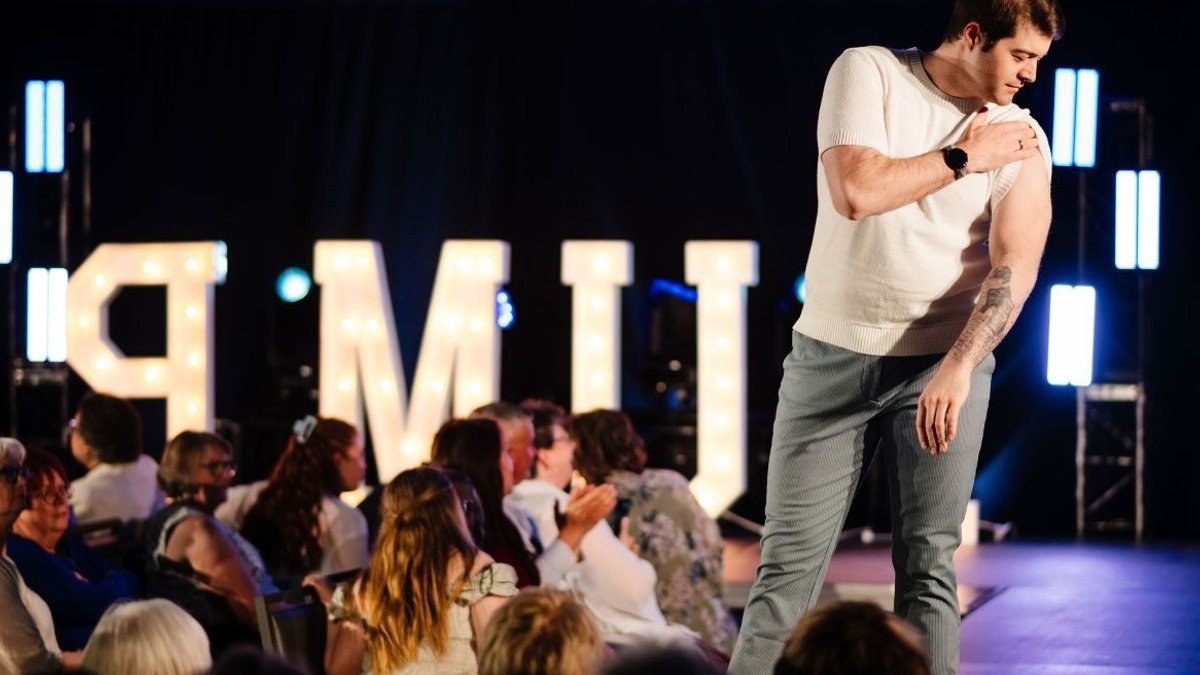
Dr. Dylan MacKay has turned his personal battle with type 1 into a career that blends science, teaching and community outreach, all while sporting a tattoo sleeve that maps the historic discovery of insulin.
From a teen’s thirst to a life in the lab
At 13, the Newfoundland teen from St. John’s noticed a relentless thirst that led him to a hospital diagnosis of the disease. Within days he learned to inject the hormone that would keep him alive, a routine that shaped his independence.
His mother, a registered dietitian, introduced him early to the link between food and health. That exposure later inspired a garden of vegetables, apple trees and pumpkins that now cover his yard, reducing the need to mow—an odd but practical hobby.
After a bachelor’s degree, he pursued a master’s in biochemistry, focusing on nutrition and type 2. The project used Yucatan miniature pigs fed a diet the researcher described as “almost pie crust,” high in saturated fat, sugar, salt and refined carbs.
Related: Myopia Lessons from a French Childhood
The animals grew larger, stored more fat, yet maintained normal blood‑sugar levels by producing extra insulin. He says the animal work “was a necessity” for understanding the hormone that saved his own life.
Leading investigations into diet, kidney health and remission
Now based in Winnipeg, he heads a lab at the University of Manitoba that runs investigations on nutrition interventions for type 1, type 2, obesity and chronic kidney disease. Funding comes from Diabetes Canada and the Canadian Institutes for Health Research, though the pool is limited.
One trial gives participants weekly deliveries of bicarbonate‑rich produce—apples, oranges and berries—to see if it can replace sodium bicarbonate tablets for treating metabolic acidosis in kidney patients. A parallel site in Halifax follows the same protocol.
Another program explores remission of type 2 using lifestyle changes alongside GLP‑1 medications such as semaglutide. He notes that while drugs are effective, many patients prefer to wean off them if possible.
His own experience fuels a belief that “you need community and you survive with others.” He points to the early 1920s work of Frederick Banting and Charles Best, whose canine experiments made insulin a reality, as a reminder of collaborative progress.
Related: Life after disability benefits end
Compared with past decades, the current climate offers more sophisticated tools for monitoring glucose, yet the translation gap from animal models to human outcomes remains a stubborn hurdle. The field has moved from simple blood‑sugar charts to complex postprandial challenge studies, but the core question—how to keep patients healthy—has stayed the same.
Outside the lab, he coaches his daughter’s ringette team.
He also plays recreational hockey and occasionally grills steak with chimichurri, a nod to his lifelong love of food.
His work shows that scientific inquiry is as much a team sport as a solitary pursuit, with graduate students, clinicians and local grocers all playing a role in the ongoing quest to improve lives.




Leave a Reply