As a mother of two who lives with a retinal disease, kids’ eye health has been a priority for me since my daughters were born. Both of my daughters get regular eye exams and, so far, neither needs glasses. During a recent trip to France to learn about the rising problem of myopia in kids, I was surprised to find out that it’s a more complex condition than I previously thought.
Most people know myopia by its more common name — nearsightedness — which is a literal description of how people with myopia see things. While objects held close to the face can be seen clearly, things in the distance appear blurry.
To get a better understanding of myopia, it’s helpful to know a little about the structure of a healthy eye, which is spherical. Myopia develops when the back of the eye grows longer than it should, stretching the delicate retinal tissue and resembling an egg shape.
Just under one-third of Canadian children between the ages of 11 and 13 have myopia, but symptoms often show up in the early years of primary school. Holding books and screens very close to the face and squinting to see things far away are signs that a child may be having trouble with distance vision.
A child’s risk of developing myopia is influenced by multiple factors, including how much time they spend focused on close-up tasks and whether they get enough outdoor time. Genetics play a significant role as children with one myopic parent have double the risk of developing the condition themselves; if both parents are myopic, that risk can be increased by up to five times.
The latest research paints a more complex picture: genes predispose someone to myopia, but environmental factors may act as triggers for the onset and progression of the condition. Prolonged screen time isn’t the only contributing factor, as any close-up work places a similar strain on the eyes.
Related: Wildling debuts Santa Monica studio
Eye-care professionals often recommend that kids — and adults — give their eyes a break by practicing the 20-20-20 rule: look 20 feet away for 20 seconds after each period of 20 minutes focusing on a close-up task. Spending time outdoors is even more beneficial than you think, as studies show that the quality and type of light you’re exposed to outside is recognized differently by the eye, and exposure to this natural light could help slow the onset and progression of myopia.
Myopia can increase the risk of other ocular conditions, including cataracts, glaucoma, and retinal detachment. High myopia increases a child’s lifetime risk of these conditions, and there is no way to reverse myopia, so each step-up in eyeglass prescription strength increases the risk of these complications.
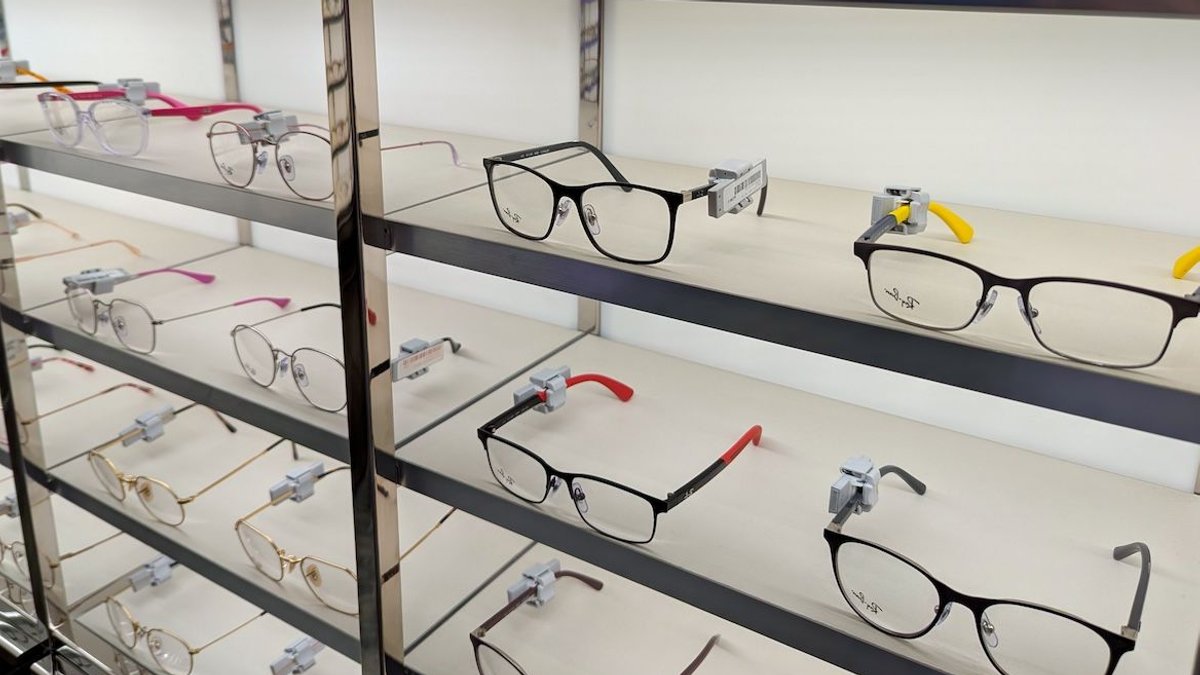
It’s possible to significantly slow the progression of myopia. A standard pair of glasses doesn’t stop a child’s myopia from getting worse, but new lens technology can significantly slow progression.
They use eye drops, rigid contact lenses, and soft daily contacts as myopia control strategies. The most appropriate approach varies by child and should be discussed with an eye-care professional.
In practice, this means that parents and caregivers should be vigilant about their children’s eye health, ensuring they get regular check-ups and follow the recommendations of eye-care professionals. By doing so, they can help prevent or slow the progression of myopia and reduce the risk of related complications, which is a key aspect of women’s health.
Regular eye exams are essential for identifying myopia and other eye problems early on.

Leave a Reply