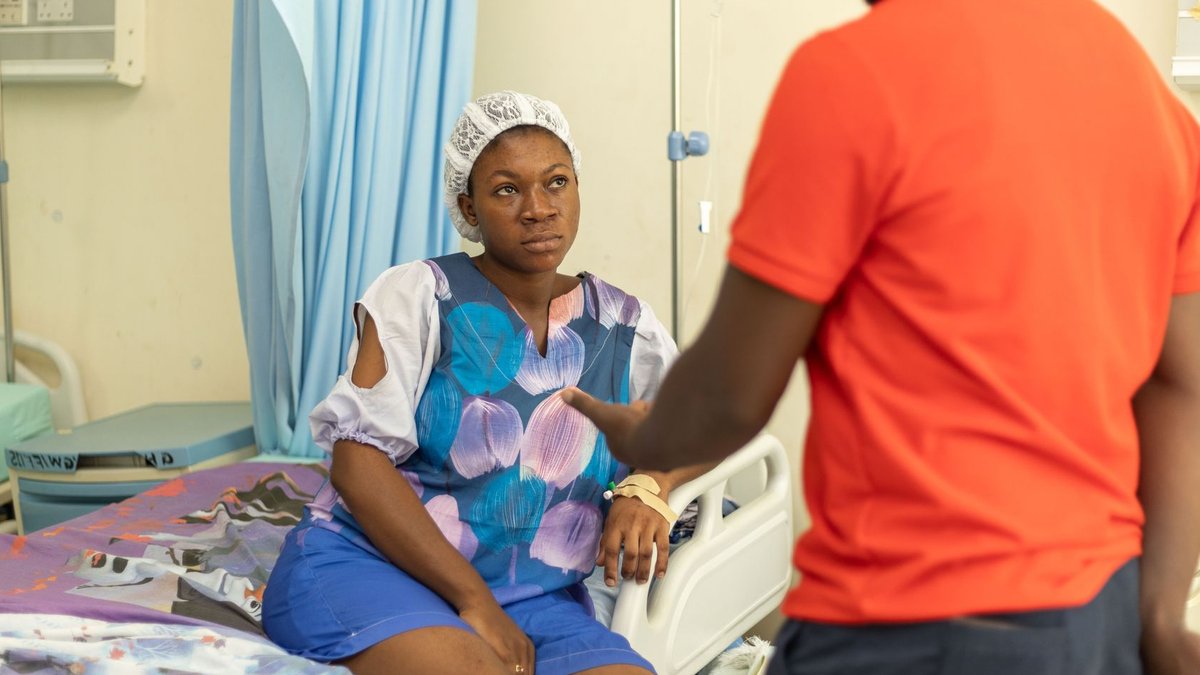
When breast cancer returns, the emotional impact often feels as severe as the initial diagnosis. Many patients experience a flood of emotions, particularly if they believed treatment was finished. A recurrence does not eliminate all options.
What a recurrence actually means
A recurrence occurs when cancer reactivates after a period of remission. Small groups of cells may survive initial treatment, remaining inactive for months or years before regrowing. These cells might have spread through the bloodstream or lymphatic system before the original tumor was removed, making them undetectable at the time.
If the cancer reappears in distant organs such as bones, liver, lungs, or brain, it is classified as metastatic breast cancer, or stage IV. It remains breast cancer, not a separate disease. Treatment decisions depend on the cancer’s biological characteristics rather than its location.
Three ways breast cancer can return
Doctors classify recurrences based on where the cancer reappears and how far it has spread. Each type influences the treatment strategy.
- Local recurrence: Cancer returns in the breast or chest wall.
- Regional recurrence: Cancer appears in nearby lymph nodes.
- Distant recurrence: Cancer spreads to other organs.
When the recurrence is limited to the breast or nearby lymph nodes, doctors typically pursue curative treatment. Surgery, radiation, and systemic therapy are standard approaches. If the cancer has metastasized, the focus shifts. Removing distant tumors is not always feasible, and studies indicate it may not improve survival. Instead, treatments target cancer cells throughout the body, balancing longevity with quality of life.
How doctors confirm a recurrence
New symptoms, such as a lump, persistent bone pain, or unexplained shortness of breath, may raise concerns. Imaging follows, including mammograms, ultrasounds, MRIs, CT scans, or PET/CT scans. Patients with estrogen receptor-positive (ER+) disease may undergo an FES-PET scan, which identifies cells expressing the estrogen receptor.
Related: How Physiotherapy Can Help You Move Better, Recover Faster And Stay Active
A biopsy is usually the next step. Doctors retest biomarkers like estrogen receptor, progesterone receptor, and HER2 status. These markers can change over time, affecting which treatments will be most effective.
Treatment options have expanded
Systemic therapies for recurrent breast cancer include several categories:
- Hormone-based therapy: Blocks hormones like estrogen or progesterone that fuel cancer growth in hormone receptor-positive cases.
- Targeted therapy: Drugs that focus on specific proteins or genetic pathways in cancer cells, minimizing damage to healthy tissue.
- Immunotherapy: Enhances the immune system’s ability to recognize and attack cancer cells.
- Chemotherapy: Kills rapidly dividing cells, including cancer, but can also affect healthy cells, leading to side effects like hair loss and fatigue.
A newer class of drugs, antibody-drug conjugates (ADCs), is becoming more common. These combine a targeted antibody with chemotherapy, delivering treatment directly to cancer cells.
Supportive care plays a key role. Pain management, nutrition counseling, and mental health resources help patients cope with side effects.
Tailoring treatment to the cancer’s profile
Oncologists begin by identifying the cancer subtype: triple-negative, HER2-positive, or hormone receptor-positive. Each responds to different therapies.
For hormone receptor-positive metastatic breast cancer, treatment often starts with endocrine therapy. If the cancer progresses, doctors look for mutations like ESR1, PIK3CA, or AKT, which may open doors to additional targeted options. The plan adapts as the cancer evolves, with regular scans and biomarker retesting guiding adjustments.
Related: Detox Myths: What Cleanses Can Actually Do
Clinical trials provide another path. Some patients access experimental treatments before they become widely available.
Quality of life isn’t an afterthought
Side effects weigh heavily on patients. Traditional chemotherapy can be difficult, but newer targeted therapies often have fewer drawbacks. Some are taken as pills at home, reducing the need for frequent clinic visits.
The emotional impact of a recurrence is just as real. Support groups, counseling, and palliative care teams help patients process the diagnosis and manage anxiety.
Preparing for appointments can ease the process.
Patients are encouraged to note their questions: Where has the cancer returned? Has its biology changed? Which treatments match their subtype? Are there clinical trials to consider?
The first diagnosis teaches patients how to handle treatment. A recurrence builds on that knowledge rather than starting over. Patients are advised to bring their questions, fears, and hopes to appointments, as their care team will help determine the next steps.





Leave a Reply