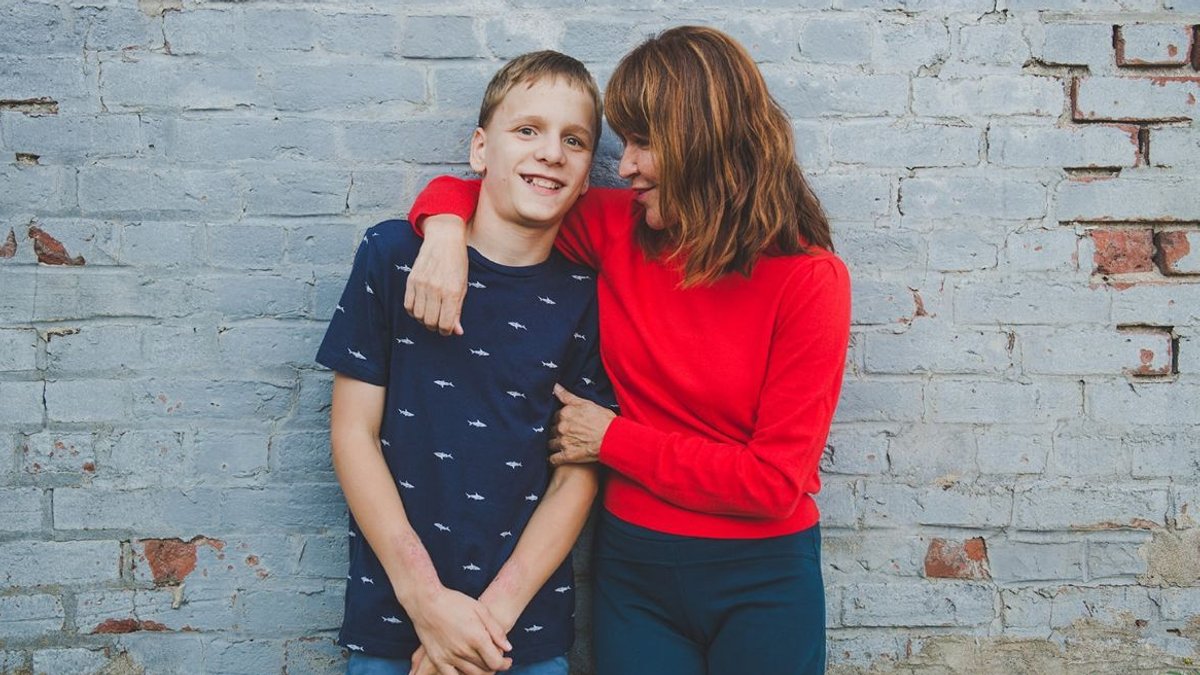
Kids today rarely roam free without adult supervision, a sharp contrast to the unstructured play of previous generations. Parents often micromanage daily activities to ensure safety, yet this constant oversight might be stifling a child’s ability to handle the world independently.
Lenore Skenazy, founder of the New York-based organization Let Grow, advocates for giving children more autonomy. Skenazy is a former newspaper reporter who gained national attention for letting her nine-year-old son find his way home by subway. She placed him in the handbag department at Bloomingdale’s, where the subway entrance was conveniently located, and returned home via a different route. The boy traveled downtown, took a bus across town, and arrived home “levitating with joy,” according to Skenazy. He is now 28 and has received a recent work promotion.
Allowing children to experience real-world challenges without a phone or parent can be difficult for adults to accept. Skenazy notes that saying a child is safe has become a cultural taboo.
“It’s very hard for parents pretty much not to worry for your kids and to want them to be safe,” Skenazy explains. “And to say, ‘I think my kids are pretty safe’ has become almost taboo in our culture. And then taboo gets punished. You’re proud of what they’re capable of doing and you don’t want to stand in their way. You don’t want to be heedless of real difficulties or real dangers. But on the other hand, what is our job as parents? It’s to try to raise kids to be who they can be.”
Research supports the argument that free play is beneficial for development. A longitudinal study of more than 1,400 children in Australia found that early imaginative play is strongly linked to better mental health outcomes. Kids who engaged more in pretend play showed fewer emotional and behavioral difficulties in primary school.
Related: Ian and Nikki Reed share wellness tips
Skenazy collaborated with psychologist Jonathan Haidt on a Harris poll of 500 children aged 8 to 12. The poll asked kids to choose their favorite activities: hanging out, playing old-school with no adults, an organized activity like soccer, or time spent online. Free play ranked as the top choice. Organized activities followed as the second choice, with online time as the third and least favored option.
“We keep saying kids are addicted to their phones and phones are very attractive, but given the choice of hanging out with your friend, having a cup of coffee versus texting your friend, you know what you prefer,” Skenazy says. “And what’s amazing is that the kids know this too, even though their free time with their friends is so limited.”
The modern parenting environment often conflates the distinct worlds of the past. In “the olden days,” there were three separate spheres: the kid world, the adult world, and family time. Today, these boundaries have blurred. The pressure to supervise every moment can turn parenting into a source of high stress for both adults and children. The author notes that this shift has led to a perception that any unsupervised time is dangerous, which can make letting go feel nearly impossible. When children are constantly under adult tutelage, there is less opportunity for them to develop the resilience that comes from solving their own problems.
For the author, this realization prompted a change in parenting style. When her son asked to walk to a local convenience store alone to buy a slushie, she agreed. He returned with an empty cup and a smile, proving that independence is still possible in a structured environment.
Experts suggest that tools for early disease detection might help reduce parental anxiety regarding safety. New tech helps predict childhood diseases early by identifying potential health issues before they become critical, potentially allowing families to focus more on building resilience through play.




Leave a Reply