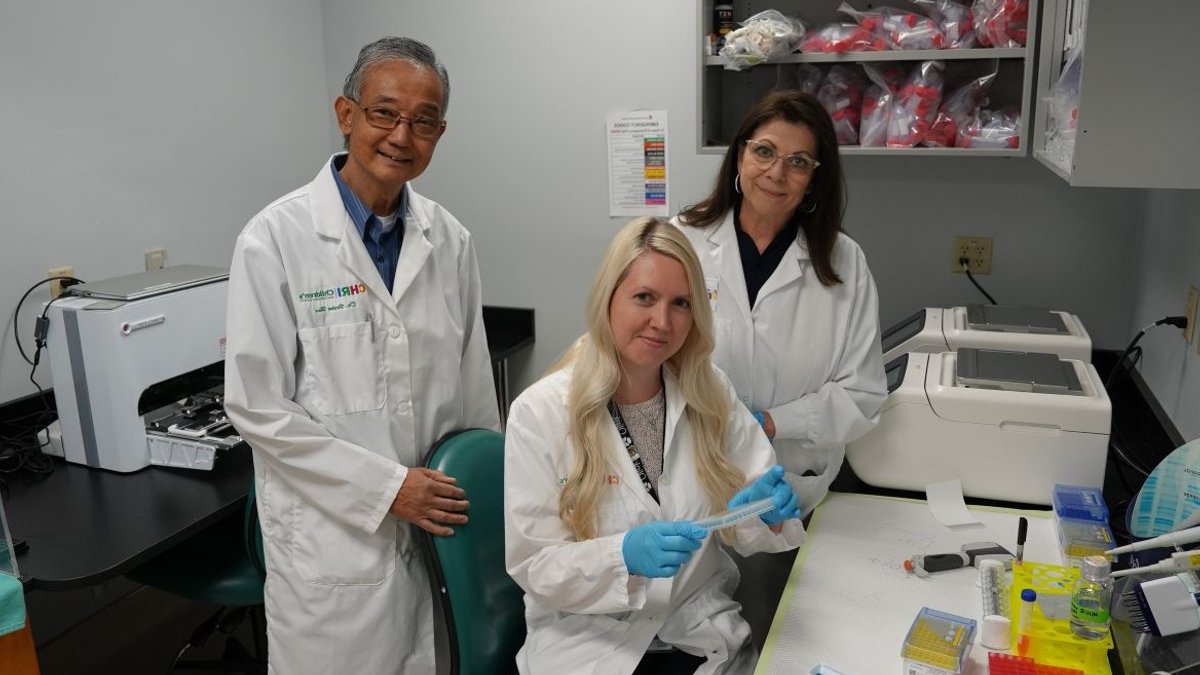
A new pediatric lab in London, Ont., is using innovative technology to predict disease before children become seriously ill. The lab, launched by the Children’s Health Research Institute, utilizes Olink technology to measure thousands of proteins from a single drop of blood.
This technology is significant for infants and young kids, as blood collection is often limited and difficult. Conventional testing requires up to a few milliliters of blood, while Olink technology can generate detailed protein profiles from just a few microliters.
The technology allows researchers to identify subtle changes in proteins before symptoms appear, opening the door to discovering how diseases develop and progress. According to Dr. Victor Han, the scientific director, “This technology changes the way we study childhood disease.”
Dr. Han notes that instead of waiting until children become sick, researchers can identify and detect changes in proteins much earlier, thus helping to diagnose the disease before it becomes clinically apparent. By analyzing changes in proteins in the blood using bioinformatics and artificial intelligence, researchers will be able to develop more personalized and targeted treatments.
Related: How Do Top Indian Insurers Compare by Claim Settlement Ratio?
Kids with chronic illnesses are vulnerable due to their developing physiological and psychological needs. Many develop long-term health issues, cognitive challenges, and higher susceptibility to infections, making early detection and possible treatment essential for their health.
Research into preeclampsia, a serious pregnancy complication, is already underway at the lab. The aim is to understand protein biomarkers, which could lead to earlier diagnosis and intervention before the disease and its complications arise.
The long-term goal of the team is to take discoveries from the laboratory to bedside care. They will also promote scientific collaboration with researchers across the country, giving them better access to advanced protein analysis.
Prior to the lab launch, samples had to be shipped internationally for testing, so having this capability in London is a huge win for shorter turnaround times for Canada’s research community. Dr. Han adds, “Our goal is to predict diseases before children become seriously ill.”
Related: Steph Hon shares tips for smarter daily living
The earlier researchers understand what’s happening inside the body, the sooner they can intervene and give children the best possible chance to recover quickly toward healthier lives. For premature babies weighing only one or two pounds, every drop of blood matters, and being able to perform this level of analysis from such a small sample opens entirely new possibilities for infant and pediatric research.
Children living with chronic diseases represent a great challenge for the healthcare system, their families, and communities. These young patients face continuous medical needs that affect not only their health but also their daily routines, emotional well-being, and family trends.
The new lab technology has the potential to make a significant impact on pediatric care, enabling earlier diagnosis and treatment of chronic illnesses. As researchers continue to explore the capabilities of Olink technology, they may uncover new ways to predict and prevent diseases.



Leave a Reply