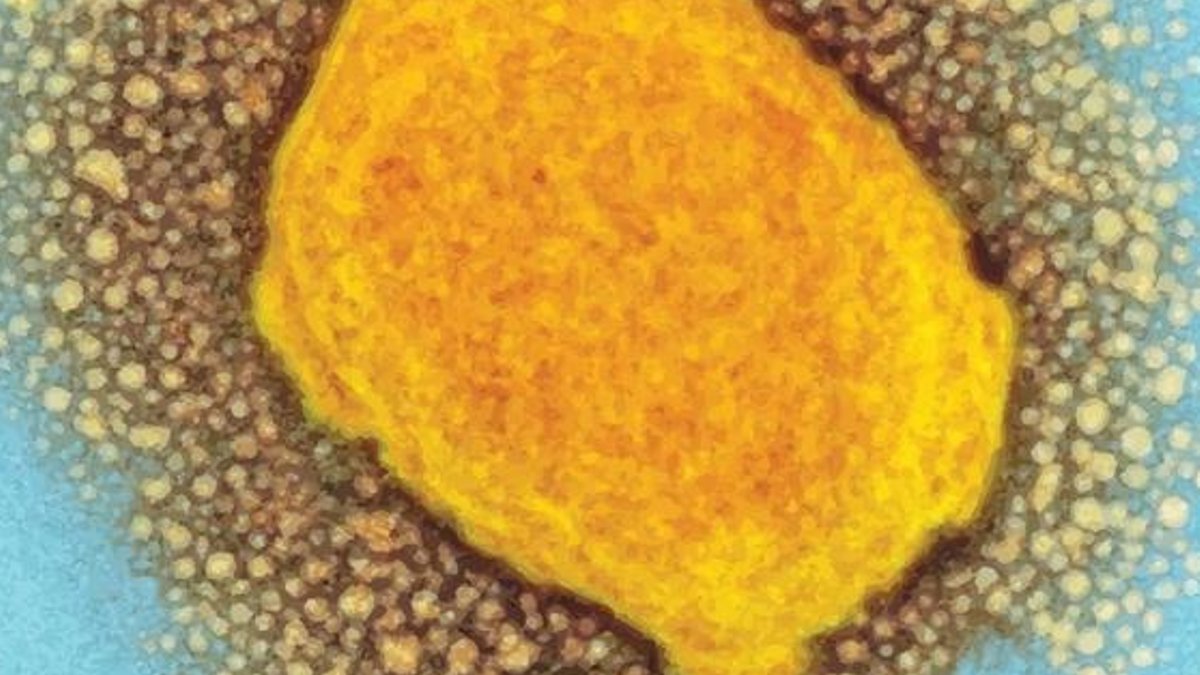
The U.S. population remains largely uninformed about mpox four years after its global outbreak, despite the virus maintaining a persistent, low level of cases. A nationally representative survey from the Annenberg Public Policy Center at the University of Pennsylvania reveals that public awareness of mpox has shown little improvement since 2024, leaving significant gaps in knowledge about transmission methods, vaccination options, and high-risk groups.
Only 8% of U.S. adults reported encountering any information about mpox in the past month, a decline from 11% in July 2024 and far below the 80% peak observed in July 2022 during the outbreak’s height. The Centers for Disease Control and Prevention (CDC) documented 1,369 cases in 2026 to date, confirming the virus maintains a steady but limited circulation pattern. Yet public familiarity remains minimal: just 24% of Americans claim some level of familiarity with mpox—a figure unchanged from 2024—while 76% admit knowing little or nothing about it.
Public concern about contracting mpox has also remained low. Only 7% express some level of worry about infection in the next three months, compared to 5% in 2024 and 21% during August 2022. The CDC confirms transmission continues through close contact with rashes, scabs, bodily fluids, contaminated materials like bedding, or infected animals in West and Central Africa; but most Americans remain unaware of these specific risks.
Vaccine awareness plummets despite CDC recommendations
Knowledge about the vaccine has stagnated significantly. Less than half (44%) are aware a vaccine exists, down from 61% in 2022. Nearly half (48%) remain uncertain about its availability. The CDC recommends two doses of the JYNNEOS vaccine for high-risk groups, yet public understanding of basic facts, such as how mpox compares to COVID-19 in terms of contagion, has not improved. Only 18% correctly identify mpox as less contagious than COVID-19, while 62% remain unsure, a decline from 41% in 2022.
Understanding of who faces higher risk has also remained stagnant. Just 33% recognize that men who have sex with men are at raised risk, a figure unchanged from 2024 and half the 63% who identified this group in 2022. More than half (53%) are uncertain about risk factors. Awareness of transmission risks, such as sharing bedding or close contact, has barely changed, with 49% recognizing the danger from contaminated fabrics and 51% understanding face-to-face exposure risks.
These gaps pose real-world risks for vulnerable groups who may not recognize their exposure. “The persistence of these knowledge gaps matters because the virus has not stood still,” said Ken Winneg, APPC’s managing director of survey research. “As the epidemiology of mpox changes, public understanding of who is at risk, how the virus spreads, and how vaccination can protect against it needs to keep pace.”
Limited progress on pregnancy risks and isolation
Two areas show modest improvement in awareness, though neither has reached majority levels. Nearly 3 in 10 Americans (29%) now know mpox can spread through the placenta of an infected pregnant person, up from 21% in 2024. The CDC confirms this risk and warns of potential harm to both mother and newborn. Isolation guidelines have also gained some traction, with 73% now aware that people with mpox should isolate until their rash heals, up from 68% in 2024.
Despite these knowledge gaps, willingness to receive vaccination remains strong. 69% say they would be somewhat or very likely to take an mpox vaccine if exposed, a figure nearly identical to 2024. The share saying they would be very likely increased from 38% to 44%, and 73% believe vaccination benefits outweigh risks. The CDC’s recommendation for two doses in high-risk groups aligns with this sentiment, though the survey reveals how little most Americans know about the vaccine’s existence or effectiveness.
Another 7% incorrectly claim the COVID-19 vaccine increases mpox risk, a claim debunked by FactCheck.org. While two-thirds (63%) correctly reject this false connection, 30% remain uncertain.
The survey, conducted by SSRS between September 22 and October 5, 2026, included 1,842 U.S. adults with a margin of error of plus or minus 3.2 percentage points. It represents the latest in a series tracking public health knowledge since 2021, illustrating how quickly awareness can diminish even as a virus becomes a persistent health factor.




Leave a Reply