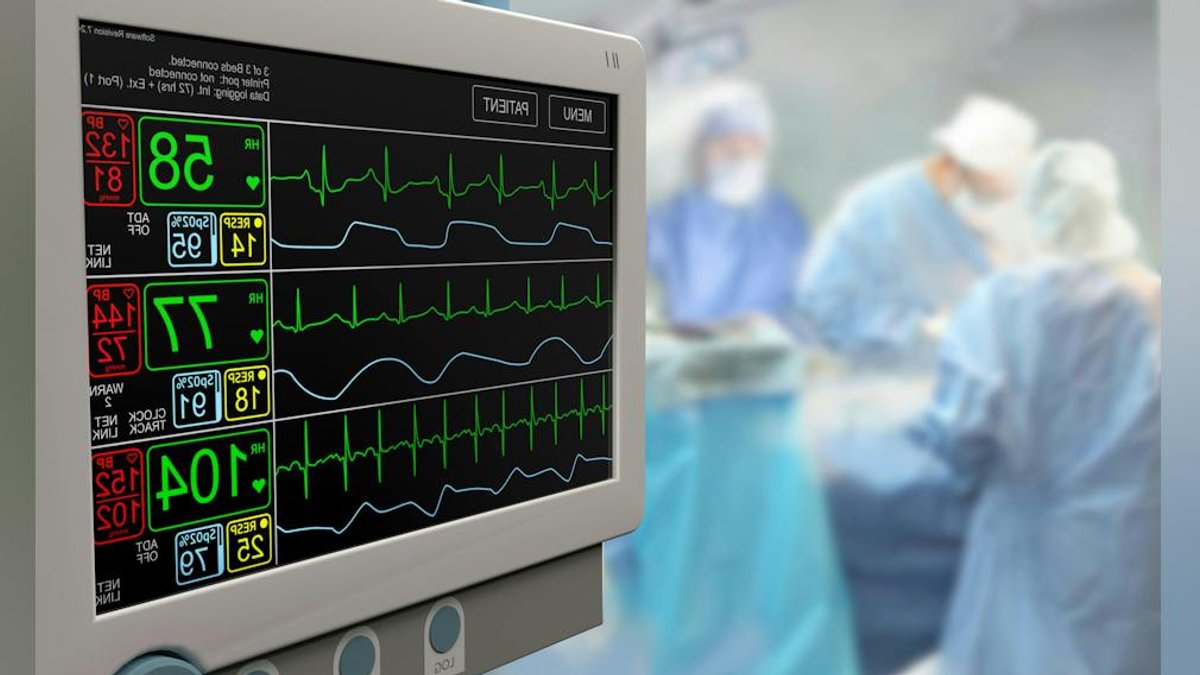
The Advanced Research Projects Agency for Health (ARPA-H) has launched the Critical Illness Immunological Reprogramming and Control Point Learning Engine (CIRCLE) program, a $144.9 million initiative to transform ICU care for the 4.6 million Americans admitted to intensive care units annually. Researchers will develop tools to monitor patients’ immune systems in real time, enabling earlier interventions that could prevent death and long-term complications like post-ICU syndrome—a cluster of physical and cognitive impairments lasting months or years after discharge.
Current ICU care relies on limited tools to assess how severe immune dysfunction affects critically ill patients. The CIRCLE program aims to address this gap by creating AI-powered digital twins of patients’ immune systems. These models will simulate responses to therapies, identify critical control points in immune regulation, and predict how interventions could prevent organ failure before it progresses.
Real-Time Immune Monitoring and Precision Therapy
The program’s goal is a 25% reduction in ICU stay lengths through an integrated system combining immune monitoring, digital twin modeling, and targeted immune modulation. Three research teams, led by University of Vermont, Stanford University, and Novelna Inc., will focus on distinct approaches:
- University of Vermont will track immune mediators, cell function, and neurophysiological data alongside electronic health records. Their digital twin will simulate FDA-approved therapies at the cellular level for personalized treatment strategies.
- Stanford University will analyze transcriptomic immune markers and organ-specific damage. Their multi-modal digital twin will model affected organs and propose FDA-approved interventions, validated using a novel multi-organoid “assembloid” platform that mimics human tissue responses.
- Novelna Inc. will develop a dual-channel, multi-plex sensor for high-frequency, tissue-specific immune measurements. These data will feed into an ensemble digital twin that ranks potential therapeutic control points, including both FDA-approved and experimental treatments.
The program also includes three Acceleration Platform teams to support development and testing:
- Verily Health Inc. will build a centralized database combining public and private critical illness datasets, plus performer-generated data. The platform will enable advanced search and analysis tools for the broader ICU research community.
- Sage Bionetworks will provide a “sandbox” environment for digital twin development, validation, and simulated clinical trials. This will accelerate readiness for future FDA digital twin and Software as a Medical Device (SaMD) applications.
- Vanderbilt University Medical Center leads the Goldilocks Program, which will conduct adaptive clinical trials of digital-twin-guided therapies across its network of ICU partners. The team will also assess the usability of devices and software in real-world settings.
While the program’s focus is on immediate patient outcomes, its long-term vision extends to shifting critical care toward predictive, precision-based medicine. By identifying immune dysregulation early, the tools could prevent irreversible organ damage, a shift from reactive to proactive treatment. The challenge lies in translating digital models into actionable clinical workflows without disrupting existing ICU operations.
Bridging Research and Real-World ICUs
The Goldilocks Program at Vanderbilt serves as the bridge between lab innovation and hospital adoption. Its adaptive trial design will test how well digital twins guide immune-modulating therapies in diverse ICU populations. Success hinges on two factors: the accuracy of immune system modeling and the integration of these tools into clinical decision-making without overwhelming staff.
Yoram Vodovotz, Ph.D., ARPA-H’s CIRCLE program manager, emphasized the urgency: “Every one of us is at risk of critical illness, yet current tools fail to capture the biological complexity of immune dysfunction. CIRCLE is designed to fill that gap by giving clinicians the data they need to personalize care at the moment it matters most.”
Beyond Survival: Targeting Long-Term Recovery
Post-ICU syndrome affects up to 70% of survivors, yet its biological mechanisms remain poorly understood. CIRCLE’s focus on immune control points may uncover targets to mitigate these complications. For instance, digital twins could identify patients at high risk of cognitive decline or muscle weakness, allowing early interventions like physical therapy or targeted immune suppression.
Wesley Self, M.D., M.P.H., of Vanderbilt Health, framed the stakes: “This isn’t just about saving lives in the ICU; it’s about preventing the cascading effects of critical illness that haunt patients for years. The Goldilocks Program ensures these innovations don’t just work in theory but deliver in the chaos of real hospital wards.”
The CIRCLE program’s success will depend on whether its digital twins can adapt to the unpredictability of critical illness. Unlike chronic conditions with stable biomarkers, ICU patients present rapidly evolving immune states. The sensors and models must keep pace with these changes while providing clear, actionable insights for overburdened care teams.




Leave a Reply