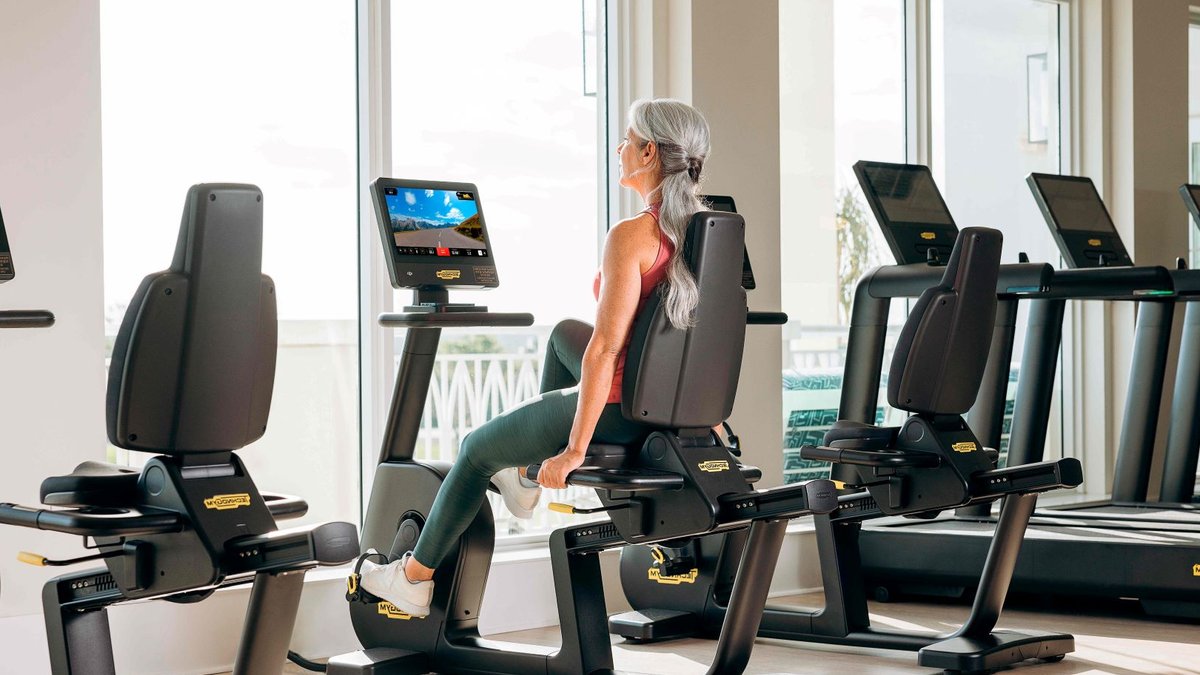
Physical exercise is emerging as a cornerstone of healthy longevity, with scientific research highlighting its role in extending not just lifespan, but quality of life. While genetics account for only part of life expectancy, structured physical activity paired with a balanced diet forms the foundation of active aging.
Experts define physical exercise as intentional activity carried out with specific goals, adhering to guidelines for duration, intensity, and frequency. Both aerobic and anaerobic workouts, when practiced regularly, induce lasting physiological changes. Recent years have seen a shift in focus toward resistance training, which combats muscle loss and strengthens bones, joints, and tendons as people age.
The Science Behind Exercise and Longevity
Exercise stimulates sirtuins, proteins critical for cellular repair and tissue maintenance, which decline after age 35 and virtually cease after 60. Regular activity activates these molecules, slowing cellular aging. It also reduces chronic inflammation, a key driver of diseases like heart disease and diabetes.
Studies show exercise is highly effective in preventing type 2 diabetes, reducing its onset in pre-diabetic individuals by 58%—more than double the 31% reduction achieved by metformin, the most common prescription for insulin sensitivity. Beyond diabetes, physical activity improves insulin response, mitigating broader metabolic disorders.
The mental health benefits are equally significant. Exercise influences brain receptors, lowering pain and anxiety while reducing depression risk. These effects highlight how physical activity functions as a preventive medicine for both body and mind.
Technogym’s Personalized Approach
Technogym, a global fitness brand founded in 1983, has integrated exercise into a holistic wellness ecosystem. Its offerings include connected equipment, apps, and AI-driven programs tailored to individual needs. Starting with the Technogym Checkup, a station using AI to assess physical and cognitive function, the system calculates a user’s “Wellness Age” to inform customized training plans.
The Technogym App delivers daily workout suggestions, blending scientific research with video content to suit users’ goals, whether weight loss or muscle gain. Its Biocircuit program adapts equipment settings in real-time based on user profiles, ensuring optimal load, pace, and rest. For strength training, Biostrength provides precise guidance on resistance, range of motion, and recovery.
Technogym’s patented Biodrive system offers six resistance modes, including eccentric overload and viscous resistance, targeting specific fitness outcomes. The brand’s reach spans over 100 countries, with 70 million users at 100,000 wellness centers and 500,000 home setups. It has also been named the official supplier for the Milan Cortina 2026 Olympics, reflecting its influence in elite sports.
Regular physical exercise prevents all chronic diseases, acting as a preventive medicine. It reduces low-grade chronic inflammation, a root cause of most chronic disorders. The biochemical impact extends to the nervous system, enhancing cognitive function and resilience against neurodegenerative conditions.
Strength training, particularly effective for seniors, enhances bone density and boosts metabolism. It improves posture and the health of ligaments, tendons, and joints. Additionally, it supports cardiovascular and nervous system function, contributing to overall physical resilience.
Technogym’s Global Reach and Innovation
Technogym operates in over 100 countries with 2,500 employees. Its ecosystem serves 70 million users across 100,000 wellness centers and 500,000 home setups.





Leave a Reply