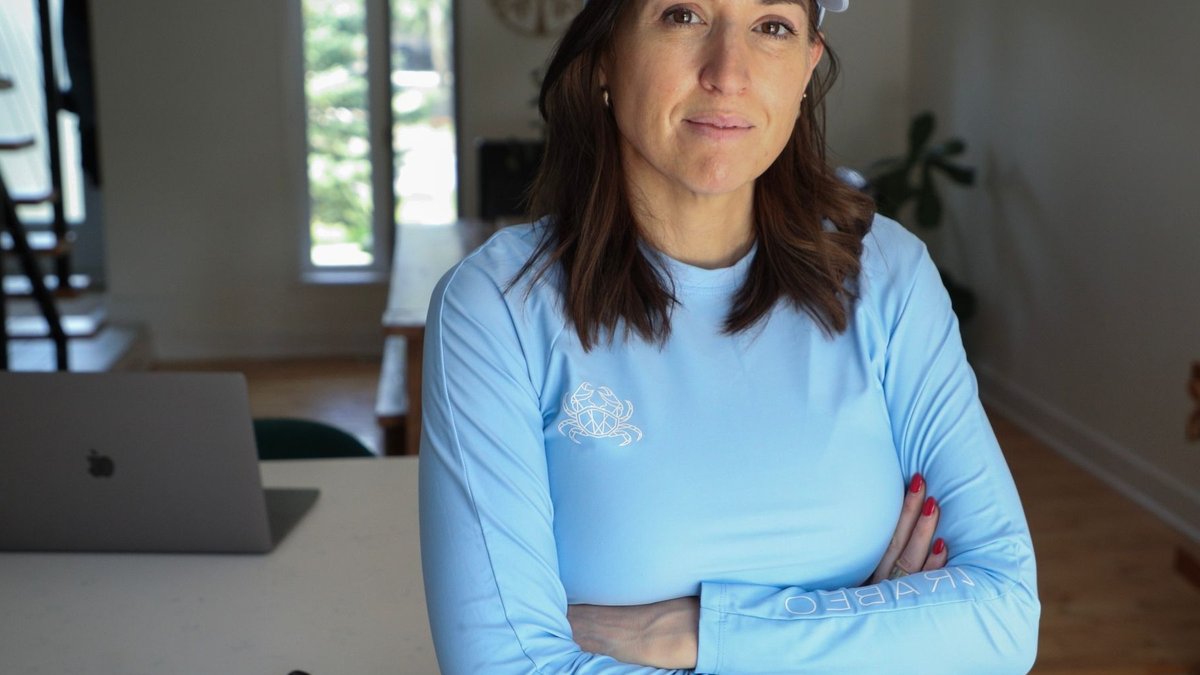
Canadians facing cancer often find that the medical treatment itself is only one part of a much larger logistical puzzle. The practical burden of organizing transportation, managing childcare, and taking time away from work frequently reshapes daily life in ways that go unnoticed by the healthcare system. Marie-Ève Richard-Tougas, a 34-year-old from Montreal, knows this reality intimately. She built a life around raising two children and running a successful photography business, but when cancer returned in 2021, it forced her to step away from the business she had spent a dozen years building.
The daily toll of treatment logistics
Richard-Tougas describes the return of cancer as a moment everything changed. She moved from a state of safety to one of constant uncertainty, facing a year of treatment that required reorganizing her entire existence around medical appointments. While she initially took oral medication at home, the side effects left her unable to complete simple tasks like light housecleaning. Later, when the disease spread to her lungs, she began intravenous treatments every three weeks at a hospital 30 minutes away. This schedule involved blood tests beforehand, hours of waiting, and travel time back and forth, all while her daughters needed to get to school and household routines had to continue.
Related: Canada must bridge gap between obesity science and care
She notes that the word “cancer” impacts every aspect of life, including finances, relationships, and family life. The logistics of care can feel overwhelming when someone is already facing a life-altering diagnosis. Richard-Tougas believes that understanding how treatment fits into daily life is key for managing the emotional and practical strain of the disease.
Shifting toward patient-led care offers a new perspective on managing the disease. Dr. Joel Claveau, a Quebec-based dermatologist, explains that advances in skin cancer treatment have extended beyond clinical outcomes to how therapies are administered. He says medicine may be delivered through intravenous infusion, oral medication, or subcutaneous injections, depending on the situation. He emphasizes that the goal is for patients to maintain their daily lives while following their treatment, sometimes requiring the medical team to adapt to the patient’s needs.
Related: New longevity supplement shows promise in trials
According to Dr. Claveau, not only have advances in skin cancer treatment dramatically improved outcomes, but progress has also extended to how some therapies are delivered. For eligible patients, treatment decisions increasingly consider not only clinical evidence but also lifestyle, work, family responsibilities and personal preferences. “We evaluate the best option in collaboration with each patient,” he says. “It’s always a shared decision.” Dr. Claveau explains that, depending on the cancer, treatment and individual circumstances, treatment decisions increasingly consider not only clinical evidence but also lifestyle, work, family responsibilities and personal preferences. “We evaluate the best option in collaboration with each patient,” he says. “It’s always a shared decision.” Dr. Claveau explains that, depending on the cancer, treatment and individual circumstances, there are options for how care is delivered.





Leave a Reply