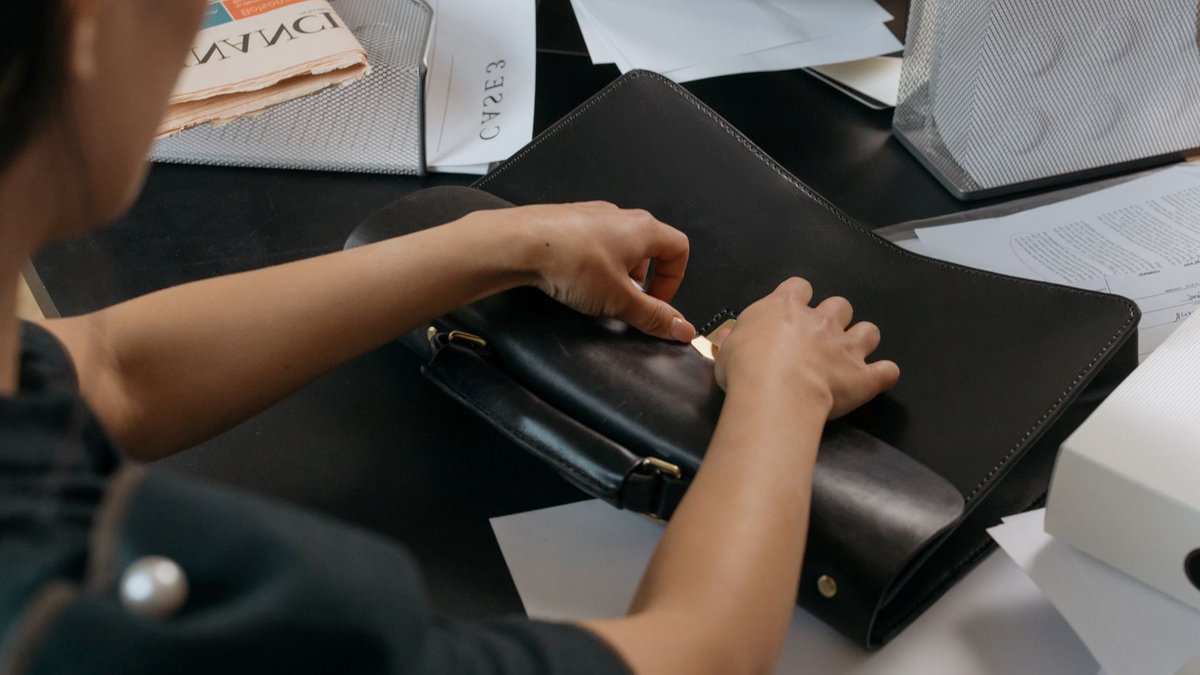
A viral sketch from Saturday Night Live has sparked conversation across social media, drawing millions of viewers to a short scene that highlights the invisible labor women perform at home. The sketch, titled “Sister,” portrays a domestic scene that many viewers recognise immediately. It focuses on a woman who has spent hours handling automated phone systems and filling out paperwork to arrange care for a family member, only to find her partner has not lifted a finger. While framed as comedy, the segment has been widely praised for its accurate depiction of the mental load and time poverty that define the lives of many working women.
Attitudes are changing, but action is lagging
Despite a clear shift in public opinion, the division of unpaid work remains uneven. The latest Australian Bureau of Statistics Time Use Survey shows Australian women spend four hours and 53 minutes on unpaid work each day. This figure is more than an hour longer than the time recorded for men. When looking at data from the last two decades, the gap has barely moved. Despite awareness of the imbalance, men’s involvement in household chores has not increased significantly over time.
Attitudinal shifts suggest many people now agree that housework and childcare should be shared equally. Analysis of HILDA data indicates that in 2023, around two-thirds of men and four in five women supported equal sharing of these tasks. Over the same period, the number of people who believe men should be the primary earners while women manage the home has dropped sharply. In 2001, nearly one in three men held that view. By 2023, that figure had fallen to just 11 percent. Yet, these attitudes have not translated into equal action. Women continue to be the default carers in most families, a pattern that extends into older age groups.
For those caring for ageing relatives, the demands are particularly intense. A 2025 national survey of more than 4,500 Australians aged 50 and older found that people caring for parents spend an average of 14.5 hours per week on unpaid care. Many of these individuals are also managing full-time jobs and raising children, adding another 15.2 hours of care duties to their weekly load. The report notes that this burden falls disproportionately on women. Even when men agree that care work should be shared, structural and cultural factors often prevent them from stepping up.
Read Also: Top 7 Ways Banks Can Make Digital Services Easier for Customers
Women are more likely than men to utilise family-friendly policies such as paid parental leave and flexible work arrangements. However, government-funded parental leave is paid at the basic wage. Given the ongoing gender gap in earnings, families risk a substantial income loss if men take time off for caring duties with young children. Furthermore, evidence suggests that men who do use flexibility to pick up care work may face discrimination from managers who prioritise traditional breadwinning norms. These structural barriers mean that despite better attitudes, the practical reality of care remains unequal.
This division of labor often begins in childhood. The gender gap in time spent on chores starts early, with Australian girls spending nearly three times as much time on housework as boys in 2006. These learned behaviors carry into adulthood, reinforcing the cycle where women continue to shoulder the majority of unpaid care.
Barriers to a more equal distribution of labor
Gender divisions in care and housework tasks start early in life, with children copying what they see their parents doing. In 2006, the median time spent on housework by Australian girls was almost three times that of boys. Research using German data found that parents’ division of housework when children were aged 8-11 was associated with their sons’ participation in housework later in life. These studies suggest gendered caring roles are learned early, carried through into adulthood, and reproduced across generations.
What is the real cost of this care? This work by women not only lets men off the hook, but also saves the economy billions of dollars. According to Carers Australia, citing Deloitte Access Economics, Australians provide about 2.2 billion hours of unpaid care annually, valued at $77.9 billion if replaced with paid services. The costs to women extend far beyond lost earnings and reduced opportunities for paid work.
Read Also: Breastfeeding linked to lower depression in LMICs
Australia has come a long way in addressing gender inequality, but the advances women have made in education and employment have not been matched by equivalent changes in the organisation of unpaid work and care at home. The missing demographic revolution of the 21st century is the redistribution of unpaid work and care between women and men. If Australia is to move beyond the stalled gender revolution, policy must extend beyond family-friendly measures.
Economic Impact and Cognitive Load of Unpaid Care
They include the cognitive load of planning, organising, and anticipating needs. This mental burden keeps families functioning.
Unpaid care work involves far more than the time spent performing tasks. It imposes a substantial mental burden. People must remember appointments, solve problems, and coordinate responsibilities. This invisible labour is rarely recognised or measured. Yet, it can be as exhausting and stressful as the physical work of caregiving itself.





Leave a Reply