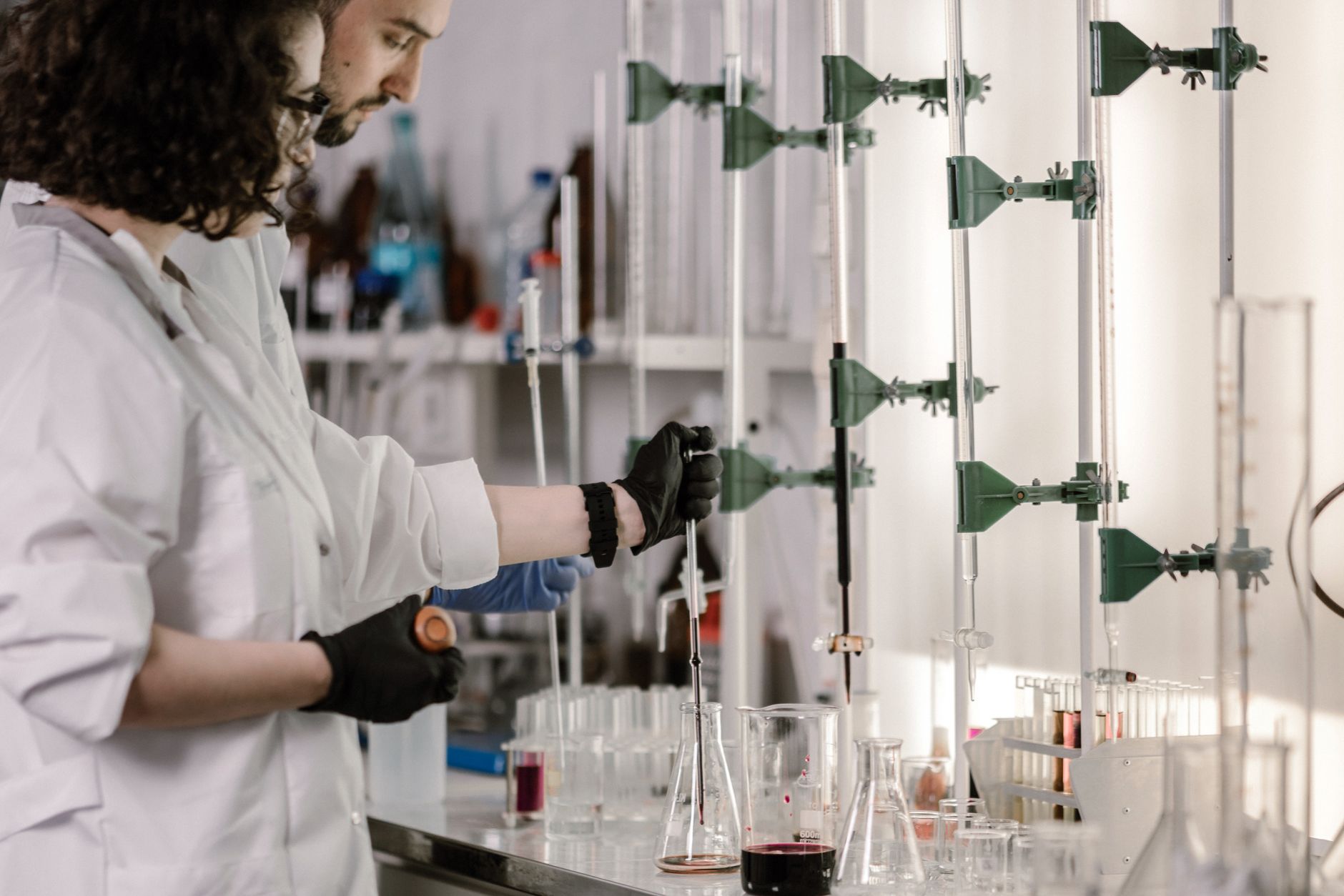
A research grade peptide is a short chain of amino acids, built in a lab in a specific sequence, designed to help scientists study how the human body works.
Purity matters more than most people realize.
Even a small amount of leftover chemicals, broken fragments, or other contaminants can ruin an experiment, produce useless data, and waste time and money. The standard to look for is 98% to 99%+ purity — meaning that out of every 100 molecules in the vial, 98 to 99 are exactly what you ordered.
Related: Doctors share key hydration facts for patients
Manufacturers use a process called solid-phase peptide synthesis, or SPPS. It works like building with Lego bricks, one piece at a time, using only the cleanest raw materials. If a supplier cannot back up its purity claims with real lab data, the label “research grade” is just a sticker. Researchers should always ask for evidence — every single time.
The main tool for checking purity is high-performance liquid chromatography, or HPLC. The machine pushes the peptide through a special column under high pressure and generates a graph. One tall, clean spike means the sample is pure. Lots of small spikes indicate impurities. The numbers break down in plain English:
- 95%+ — okay for basic experiments, nothing serious
- 98%+ — the minimum for real research work
- 99%+ — what you actually want for a research grade peptide
- 99.9%+ — top tier, used only by the most serious labs
HPLC only tells researchers how pure something is, not what it actually is. Mass spectrometry, or MS, measures the molecular weight and confirms the compound is the right one. HPLC plus MS together is the only combination researchers should trust.
Some suppliers also test for endotoxins (bacterial leftovers that can disrupt cell studies), sterility, and levels of TFA and water. If the manufacturer cannot explain these numbers, that is a red flag.
Related: Court Allows Remote Abortion Pill Access for Now
A certificate of analysis, or COA, is the passport for the product. It tells buyers what is in the vial, who tested it, and when. Reading one is straightforward. Focus on the purity number.
- Check the source — it must come from an independent third-party lab, not the supplier’s own facility.
- Check the date — the COA must match your specific batch. Old ones are not valid.
- Verify compound identity — look for the compound name, CAS number, and molecular formula.
- Check MS data — theoretical and observed molecular weights should match closely.
- Look for extras — endotoxin, sterility, and TFA results show a supplier that goes beyond the minimum.
- Confirm traceability — every COA needs a lot or batch number linked to your order.
Never buy a research grade peptide without a proper COA. Research integrity depends on it.
BPC-157, short for Body Protection Compound-157, is one of the most studied compounds today. It is a 15-amino acid synthetic peptide first identified in human gastric juice. Preclinical and in-vitro studies have explored its role in cell migration, tissue signaling, angiogenesis (new blood vessel formation), tendon and ligament biology, and gastrointestinal signaling pathways. The compound is strictly for laboratory use. No regulatory authority has approved it for human use. When sourcing it, researchers should require HPLC-verified purity at the highest tier, MS confirmation, a third-party COA, and proper lyophilized packaging in sealed vials.
Related: US Citizen Infected with Ebola in Congo
Sourcing a quality product is only half the job. Handling it correctly is the other half. For long-term storage, keep it at -20°C for up to 24 months. After reconstitution, store it at 4°C for up to four weeks. Avoid freeze-thaw cycles — aliquot before freezing. Keep peptides away from light and moisture.
When reconstituting, use bacteriostatic water, add it slowly down the inner vial wall, and gently swirl. Never shake. Label the vial with the peptide name, date, and batch number.
Some researchers caution that while high purity is important, the focus on the top tier may not always be necessary for early-stage screening or exploratory work. The required threshold depends on the specific experiment and the sensitivity of the assays used. Still, for any serious study, demanding verified purity and a proper COA remains the safest approach.




Leave a Reply