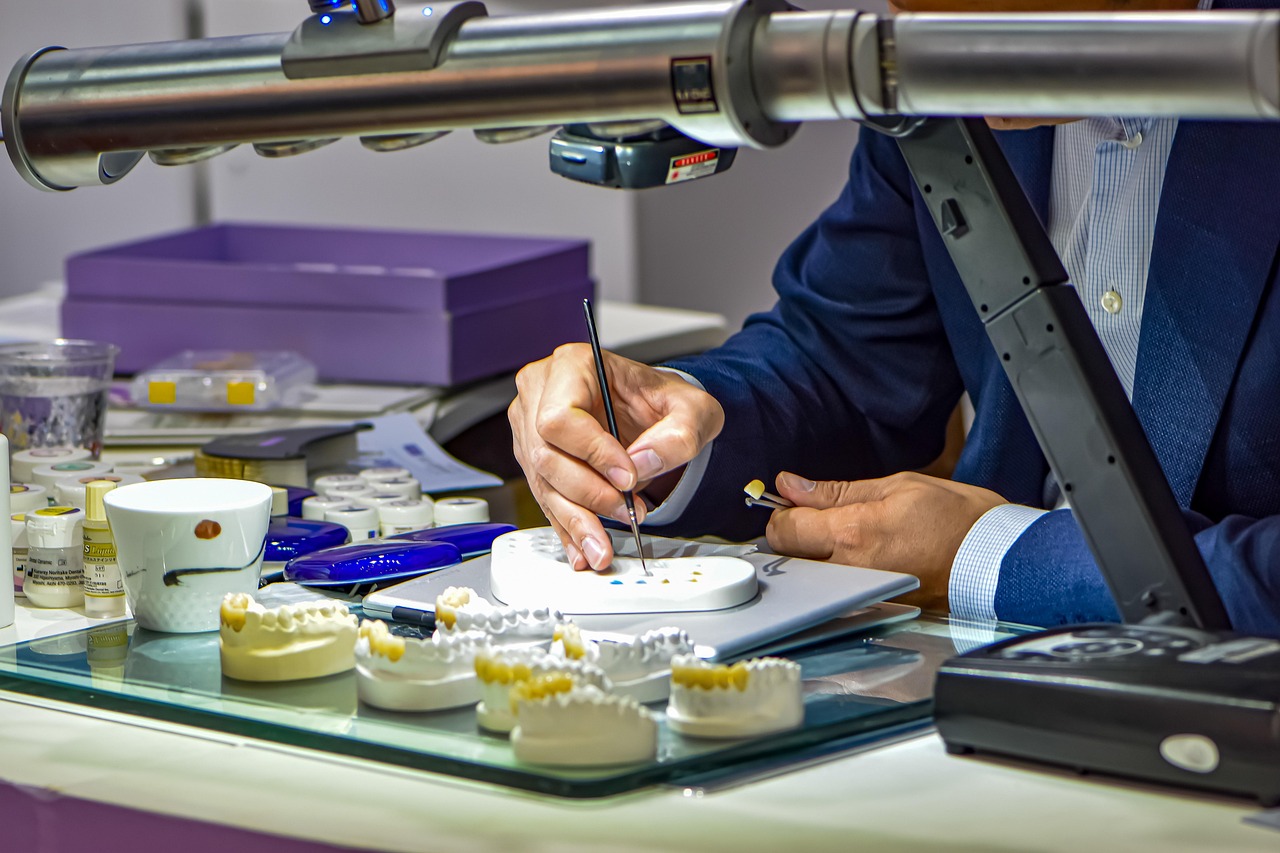
Dental emergencies can occur at any time — severe pain, a cracked or knocked-out tooth, or heavy bleeding don’t leave much room for waiting. Immediate attention is needed, but temporary first aid can help protect the tooth and reduce discomfort until you can see a dentist.
Simple remedies like applying cold water-dipped gauze can constrict blood vessels and stop bleeding. For a knocked-out tooth, keeping it moist in milk or saliva and reinserting it within 60 minutes can save it. But knowing what not to do is just as important.
How to Handle a Knocked-Out Tooth
If a tooth is knocked out, handle it only by the crown — the chewing surface — to protect the root fibers. Keep it moist by placing it in a cup of milk or the patient’s own saliva. For a permanent tooth, try to gently push it back into the socket and bite on gauze to hold it in place.
Related: Liposuction Specialists at Trusted Centers: Safe Body Contouring for Natural Results (2026 Guide)
The critical window for saving the tooth is 60 minutes.
- Don’t touch the root.
- Don’t scrub or wipe the tooth with cloth or soap — that kills living cells.
- Don’t reinsert a baby tooth; it could damage the permanent tooth bud underneath.
Many people assume that any tooth fragment can be glued back on with household adhesive, but that is a common mistake. The wrong first aid can permanently destroy the chance of reattachment. Understanding the correct steps — and the risks of doing the wrong thing — is what separates a salvageable tooth from a lost one.
Managing Toothaches and Cracked Teeth
For a severe toothache, start by flossing gently to remove trapped food. Rinse with warm salt water to disinfect and reduce inflammation. A cold compress held to the outside of the cheek can numb the pain, and over-the-counter pain relievers like ibuprofen or acetaminophen are safe when taken as directed.
Do not place aspirin directly on the gums — it causes chemical burns. If the pain suddenly stops, don’t ignore it; a dead nerve can still harbor infection. Never use pins or needles to poke a gum boil or tooth.
Related: Scientists charged with mpox virus import lies
For a cracked or fractured tooth, rinse with warm water and save any broken fragments in a damp cloth. Apply gauze to stop bleeding. Cover sharp edges with dental wax or sugarless gum to protect the tongue. Avoid chewing on that side. Do not use household glue to try to reattach fragments, and don’t wait for pain to start — a painless crack can lead to sudden nerve death.
If a filling or crown falls out, keep the restoration and bring it to the dentist. Over-the-counter dental cement can temporarily seal the tooth. Brush the exposed area gently. Never use superglue or pliers. For cuts to the lip, tongue, or cheek, apply firm pressure for at least 15 minutes. Rinse with mild salt water. If heavy bleeding doesn’t stop, go to the emergency room.
The first hour after a tooth is knocked out is the most critical for saving it. Temporary first aid buys time, but permanent treatment always requires a dentist’s care.


Leave a Reply