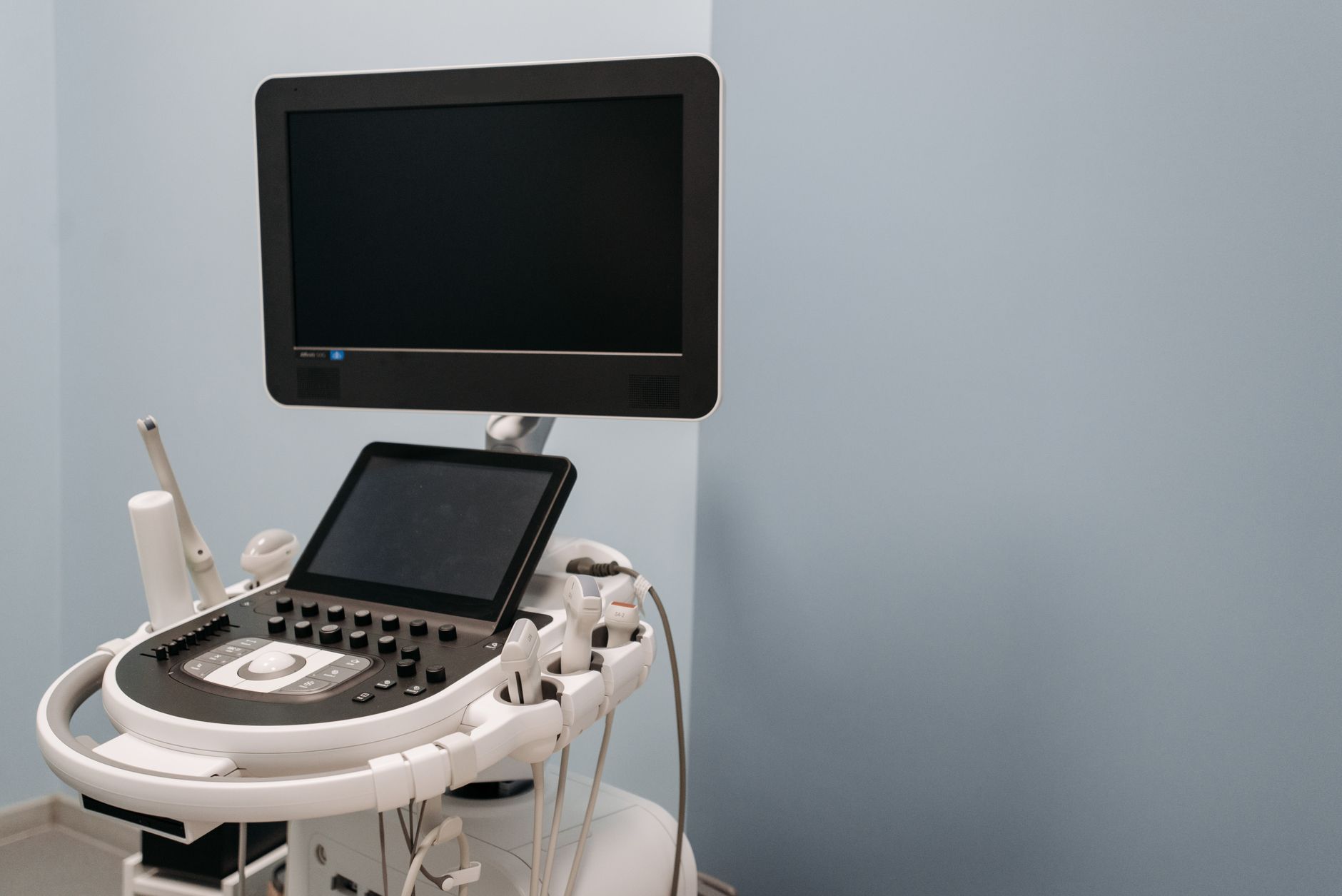
AI medical devices are moving beyond consumer health gadgets and into the core of clinical infrastructure, reshaping how hospitals gather and use patient data.
From simple sensors to intelligent platforms
Early medical equipment mainly recorded vital signs and displayed numbers for doctors to interpret. Today, software does much of that analysis. A wearable that looks like a smartwatch can now run advanced analytics that turn raw measurements into actionable insights, even when the wearer is outside a clinic.
Market forecasts show the sector could surpass $160 billion by 2030, driven by a surge in home‑monitoring habits. The growth is not just about more gadgets; it reflects a shift toward devices that can diagnose conditions without constant physician oversight.
Related: COVID Boosters Still Necessary This Year
Why software now defines the value
Hardware still collects data, but the intelligence resides in the code that processes it. Custom algorithms can spot patterns, reduce errors, and learn from new information. Because updates can be delivered over the air, manufacturers can improve functionality without swapping out physical components—an important advantage in a field that demands precision.
Distinguishing wellness wearables from clinical tools
Consumer‑grade devices, such as fitness trackers, mainly track activity, sleep, and heart rate, offering general health advice. In contrast, clinical‑grade AI tools undergo rigorous testing on curated datasets and must meet higher risk thresholds.
Three main categories dominate the clinical side. First, imaging and diagnostics use computer‑vision models to read X‑rays, CT scans, and MRIs, helping radiologists flag abnormalities more quickly. Second, remote patient monitoring (RPM) extends hospital‑grade monitoring to the home, with AI interpreting data from rings, patches, and blood pressure meters. Third, predictive analytics combines historical records, lab results, and real‑time vitals to forecast complications.
Regulatory and technical considerations
Building AI‑enabled medical software means meeting compliance from day one. Unlike static code, machine‑learning models evolve as they ingest new data, complicating the conventional approval pathway. Ensuring reliable operation and compatibility with hospital systems is essential.
Related: New Hepatitis B Drug Shows Promise
Case studies illustrate the trend
The Samsung Galaxy Ring, while marketed as a wellness accessory, includes an AI feature called “My Vitality Score” that aggregates sleep, heart‑rate variability, activity, and recovery metrics. Though it targets consumers, the depth of analysis hints at a future where such wearables could support clinical decision‑making.
The market is evolving rapidly.
Looking ahead
Developers who embed regulatory considerations and interoperability standards early in the design process will likely avoid costly redesigns later. As AI becomes more entrenched in remote care and hospital workflows, the balance between innovation and compliance will shape the next generation of medical technology.





Leave a Reply